 Pin it
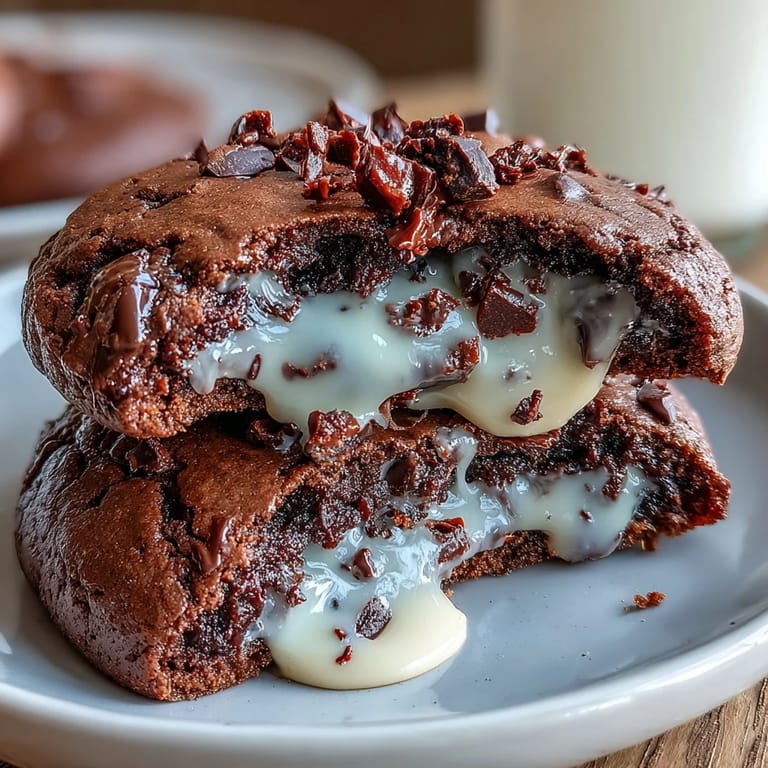
 There's something about dark chocolate that makes you want to whisper the recipe to only your closest friends. These cookies landed in my kitchen on a grey afternoon when I was chasing that specific feeling—not quite a chocolate chip cookie, not quite a brownie, but something that lived mysteriously in between. The moment I pulled the first batch from the oven and saw those slightly sunken centers with their promise of chewiness, I knew I'd found exactly what I was searching for.
I made these for my neighbor last winter when she mentioned feeling overwhelmed by her kitchen renovation. She came over for coffee and took the warm cookies home wrapped in parchment, and the next morning she texted just to say the smell had made her cry happy tears. That's when I realized these weren't just cookies—they were the kind of small gesture that reminds people someone is thinking of them.
Ingredients
- All-purpose flour (1 3/4 cups): This is your structural backbone, and measuring it properly (spoon and level, never scoop directly) makes the difference between cookies that spread into lace and cookies that hold their shape.
- Dutch-process cocoa powder (1/2 cup): This stuff is darker and more sophisticated than regular cocoa—it's what gives these cookies their almost mysterious depth instead of a flat chocolate taste.
- Baking soda (1 tsp): This reacts with the acidic brown sugar and cocoa to help the cookies spread just enough and develop those crispy edges while keeping the centers tender.
- Fine sea salt (1/2 tsp): Salt doesn't make things taste salty if you use the right amount; it amplifies the chocolate and vanilla notes so they sing instead of whisper.
- Unsalted butter (3/4 cup, softened): Room temperature butter creams properly with the sugar and incorporates air, which is your secret weapon for texture—cold butter fights you the whole way.
- Dark brown sugar (1 cup, packed): The molasses in brown sugar adds moisture and a subtle caramel note that plain white sugar can't touch, making cookies chewier and more complex.
- Granulated sugar (1/2 cup): This works with the brown sugar to create the balance you need—too much brown sugar and cookies get dense, too much white and they're cake-like.
- Large eggs (2, room temperature): Cold eggs don't emulsify properly into the butter mixture, so let them sit on the counter for 15 minutes before you start—this sounds fussy but it genuinely changes the crumb.
- Pure vanilla extract (2 tsp): Use the real stuff, not imitation; imitation has a plasticky aftertaste that haunts the whole batch, and real vanilla brings this gentle warmth to the chocolate.
- Almond extract (1/2 tsp, optional): This is my secret weapon that nobody can quite identify—it adds a whisper of something floral and sophisticated without announcing itself, making people ask what's in them.
- Dark chocolate chunks (1 1/4 cups, 70% cocoa recommended): 70% cocoa gives you that bitter-sweet balance that feels grown-up; anything higher tastes austere, anything lower tastes too sweet and defeats the purpose.
- Whole milk (1/2 cup): The milk in the dough creates steam as cookies bake, which keeps them tender inside, and it also dissolves some cocoa particles to distribute flavor more evenly.
- White chocolate chips (1/2 cup): These aren't just pretty—they melt slightly and create a creamy contrast to the dark chocolate, and honestly, the vanilla flavor in white chocolate compounds with your extracts beautifully.
Tired of Takeout? 🥡
Get 10 meals you can make faster than delivery arrives. Seriously.
One email. No spam. Unsubscribe anytime.
Instructions
- Preheat and prepare:
- Get your oven to 350°F and line two baking sheets with parchment paper—this takes two minutes but saves you from burnt bottoms and a scrubbing session later. If you use parchment, the cookies release cleanly and you're already halfway to looking like you know what you're doing.
- Whisk your dry ingredients:
- In a medium bowl, combine flour, cocoa powder, baking soda, and salt with a whisk, making sure to break up any cocoa lumps (they hide in the corners and stay gritty if you don't pay attention). Whisking instead of just mixing ensures even distribution, which means every cookie gets the same amount of rising power and cocoa richness.
- Cream butter and sugars:
- Beat softened butter with both sugars for 2–3 minutes until the mixture looks light, fluffy, and pale—this is where you're aerating, and you'll actually see it change texture. Stop when it looks like sweet sand that's been moistened, not a dense paste.
- Build your wet base:
- Add eggs one at a time, beating well after each, then mix in vanilla and almond extracts—the mixture might look curdled and broken at first, but keep going because the next step pulls it all together. Don't rush this; each egg needs a moment to fully incorporate before the next one arrives.
- Combine wet and dry strategically:
- On low speed, alternate adding dry ingredients and milk in two additions, starting and ending with dry—this is the moment where overmixing ruins everything, so watch closely and stop as soon as streaks disappear. The milk dissolves flour differently than water would, creating a more tender crumb, so respect that addition.
- Fold in chocolate gently:
- Use a spatula to fold dark chocolate and white chocolate chips in slowly, turning the bowl as you fold so you don't deflate all that air you just spent time incorporating. This takes maybe a minute, and the dough should look studded and ready, not overmixed into submission.
- Scoop with intention:
- Use a cookie scoop or measure about 2 tablespoons of dough per cookie, spacing them 2 inches apart—these cookies spread more than you'd think because of the milk and butter ratio. If you crowd them, they'll merge into one giant cookie situation, which honestly sounds delicious but ruins presentation.
- Bake until barely done:
- Bake for 11–13 minutes until edges are set but the center looks slightly soft and puffy—the bottom should be just barely golden, not brown. The cookies keep cooking on the hot pan after removal, so underbaking here is your friend because overbaked chocolate cookies taste like disappointment.
- Cool with patience:
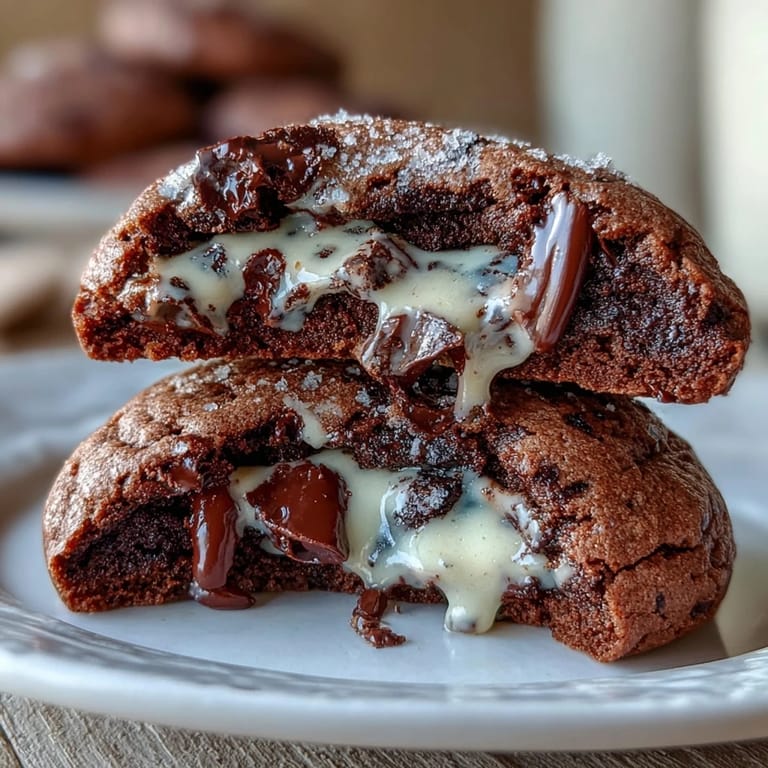
- Leave cookies on the baking sheet for exactly 5 minutes (this allows them to firm up just enough to move without falling apart), then transfer to a wire rack to cool completely. This in-between moment is crucial—remove them too early and they're soup, wait too long and they're stuck to the pan.
 Pin it
 My daughter once asked why these specific cookies made her feel calm, and I think it's because the process itself demands you slow down—you can't rush the creaming, you can't hurry the cooling. There's something grounding about making something that takes longer to eat than it takes to bake, that sits on your tongue for a moment before surrendering to sweetness.
The Science of Chewy Texture
The secret to these cookies staying chewy instead of becoming hard is the milk—it hydrates the dough differently than cream or butter alone would, and it creates steam during baking that keeps the structure tender. Brown sugar adds molasses, which contains hygroscopic properties (fancy word for moisture-loving), so these cookies naturally stay softer longer without becoming stale. The white chocolate also contributes fat and cocoa butter, which delays the staling process and keeps things from drying out even after a few days.
Chocolate Selection Matters More Than You Think
I used to grab whatever dark chocolate was on sale, but then I started paying attention to cocoa percentage and it changed everything. 70% cocoa gives you that sophisticated bitter-sweet balance—too high and you're baking with something that tastes austere and chalky, too low and you might as well just make regular chocolate chip cookies. The quality of chocolate also matters because cheap chocolate has waxy fillers that don't melt cleanly into the dough, while quality chocolate creates these little pockets of decadence throughout.
Make Them Your Own
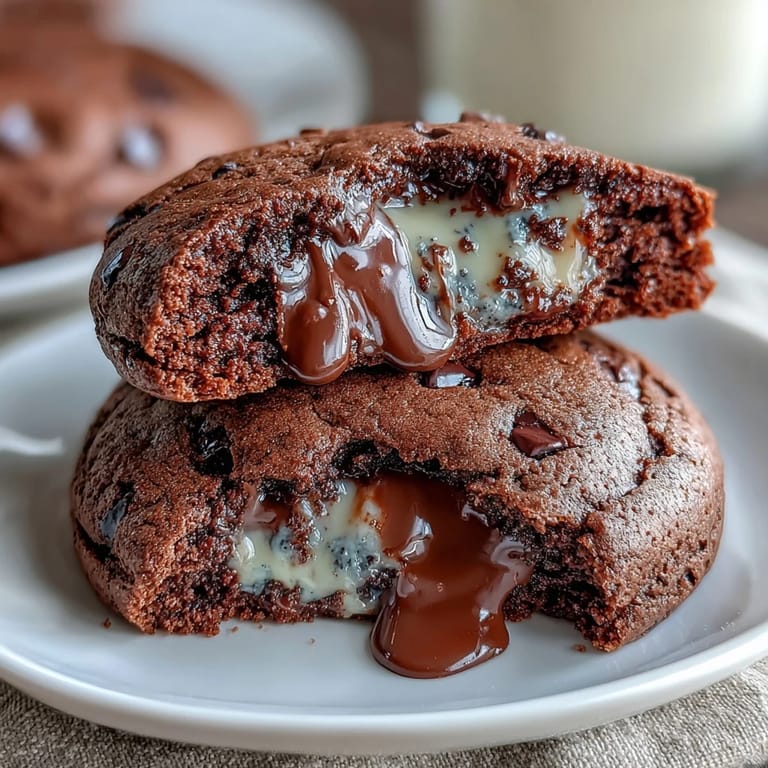
These cookies are a canvas, and the beauty is you don't have to follow my version exactly—the structure is solid enough to handle variations. Sea salt on top isn't optional in my kitchen; a tiny pinch of flaky sea salt transforms the flavor by making the chocolate taste darker and more complex. For a dairy-free version, use plant-based milk and vegan chocolate, and the cookies come out almost identical in texture because the milk does the hydrating work, not the dairy fat.
- Try adding a pinch of espresso powder to deepen the chocolate flavor without making them taste like coffee.
- White chocolate chips can be swapped for chopped macadamia nuts or toasted coconut if you want texture without the sweetness.
- If you love salt, sprinkle fleur de sel on top right out of the oven while the surface is still slightly sticky so it adheres.
 Pin it
 These cookies taste like intention, like someone took 32 minutes to say they care. That's worth the effort, every single time.
Recipe FAQs
- → What type of chocolate works best?
Use 70% cocoa dark chocolate chunks for intense flavor and white chocolate chips to add creamy vanilla swirls.
- → Can I substitute milk for a dairy-free option?
Yes, plant-based milk like almond or oat milk works well without compromising the texture or flavor.
- → How do I achieve chewy texture?
Combining brown and granulated sugars with proper mixing and baking time helps maintain the moist, chewy centers.
- → Is it necessary to chill the dough before baking?
Chilling isn't required, but it can help control spreading for thicker cookies if preferred.
- → What are optional add-ins for extra flavor depth?
A small amount of almond extract enhances complexity, complementing the vanilla and chocolate notes.