 Pin it
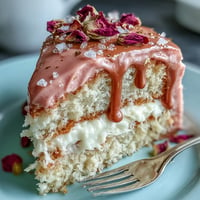
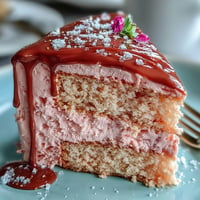
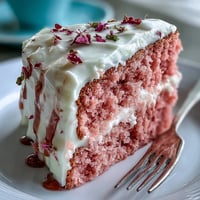
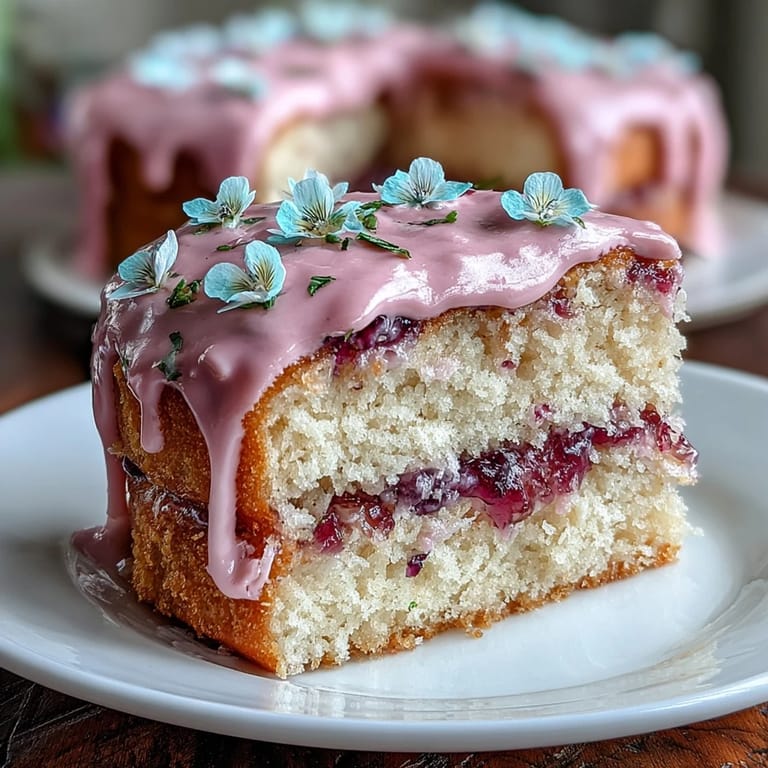
 My sister called me two weeks before her birthday with that particular tone of voice—the one that means she's already decided what she wants but hasn't figured out how to ask for it. When she finally said it, I wasn't surprised: she wanted a homemade cake with soft pastel flowers, something that looked like spring had landed on a plate. I'd never attempted anything quite that decorative before, but watching her describe the colors she'd imagined made me want to try. That afternoon in my kitchen, surrounded by tiny bottles of gel food coloring and piping tips spread across the counter like an artist's palette, I realized this wasn't just about baking—it was about creating something that made someone feel seen.
I baked this cake for my sister on a Saturday morning, and my nephew wandered into the kitchen halfway through cooling, drawn by the smell. He watched me color the buttercream, asking increasingly specific questions about whether pink buttercream would taste different than white. When I let him pipe one small flower onto the cake with the lavender frosting, his face lit up in a way that made all the careful measuring worth it. Suddenly it wasn't just a birthday cake—it was something he'd helped create, something he'd remember.
Ingredients
- All-purpose flour (2 ½ cups): Make sure it's measured by spooning into the cup and leveling off, not scooping directly from the bag, which compacts it and throws off your ratios.
- Baking powder (2 ½ tsp): This is what gives the cake its tender crumb and slight rise—don't skip it or reduce it, or you'll end up with something dense.
- Unsalted butter (1 cup for cake, 1 ½ cups for buttercream): Room temperature is non-negotiable here; cold butter won't cream properly and will give you a grainy texture instead of that light, fluffy base.
- Granulated sugar (2 cups): This creams with the butter to incorporate air, which is what makes the cake light rather than heavy.
- Eggs (4 large): Room temperature eggs blend more smoothly into the batter and create a more tender crumb than cold ones.
- Vanilla extract (1 tbsp for cake, 2 tsp for buttercream): Pure vanilla matters here—imitation extract won't give you that depth of flavor that makes people pause and ask what that delicious taste is.
- Whole milk (1 cup for cake, ¼ cup for buttercream): Room temperature milk incorporates more evenly and keeps the batter from seizing up when it meets the cold butter mixture.
- Powdered sugar (6 cups): Sift it before using—lumpy powdered sugar creates a grainy buttercream no matter how much you beat it.
- Gel food coloring: Gel holds its color better than liquid food coloring and won't thin out your buttercream the way liquid drops would.
Tired of Takeout? 🥡
Get 10 meals you can make faster than delivery arrives. Seriously.
One email. No spam. Unsubscribe anytime.
Instructions
- Prepare your pans:
- Preheat the oven to 350°F and grease your three 8-inch pans, then line them with parchment paper cut to fit the bottom—this small step makes unmolding so much easier and prevents sticking. I learned this the hard way when I thought I could skip the parchment and ended up with cake stuck to the pan bottom.
- Combine your dry ingredients:
- Whisk the flour, baking powder, and salt together in a bowl—this distributes the leavening evenly so you don't get pockets of dense cake. It takes maybe a minute but makes a real difference in texture.
- Cream butter and sugar:
- Beat these together on medium-high speed for 3 to 4 minutes until the mixture is pale, fluffy, and noticeably lighter than when you started—this is where air gets incorporated into your cake. When you think it's done, give it another 30 seconds; that extra bit makes a difference.
- Add eggs one at a time:
- Add each egg individually and beat well after each addition before adding the next one—this helps them emulsify into the butter instead of sitting in pools. I use a fork to crack the eggs into a small cup first so there are no shell surprises.
- Mix in vanilla extract:
- Stir this in after the last egg, and you'll notice the batter smells immediately better and more like actual cake.
- Alternate wet and dry additions:
- Add about a third of the flour mixture, then about a third of the milk, then repeat, ending with flour—this prevents the batter from becoming lumpy or overworked. Overmixing at this stage develops gluten and makes the cake tough, so stop as soon as everything is just combined.
- Divide and bake:
- Distribute the batter evenly among the three pans (an ice cream scoop helps), smooth the tops gently, and bake for 25 to 30 minutes until a toothpick comes out clean. The kitchen will smell incredible, and you'll be tempted to check constantly—resist this urge, as opening the oven door lets heat escape.
- Cool the cakes:
- Let them sit in the pans for 10 minutes so they firm up slightly, then turn them out onto wire racks to cool completely—trying to frost a warm cake is an exercise in frustration.
- Make your buttercream:
- Beat room temperature butter until it's creamy and pale, then add the sifted powdered sugar gradually so it doesn't explode in a cloud of white powder. Once it's combined, add milk, vanilla, and a pinch of salt, then beat for another few minutes until it's fluffy and smooth.
- Tint your colors:
- Divide the buttercream into bowls and add gel coloring a tiny bit at a time, stirring well—you can always add more, but you can't remove color once it's in. For pastel shades, use just a toothpick's worth of color and mix thoroughly before deciding if you need more.
- Layer and crumb coat:
- Place one cake layer on your serving plate, spread a layer of white buttercream on top, add the second layer, repeat, then finish with the third layer. Apply a thin crumb coat over the entire cake—this seals in the crumbs so your final frosting stays pristine.
- Chill and set the crumb coat:
- Pop the cake in the fridge for 20 minutes so the crumb coat firms up—this gives you a smooth surface to decorate on.
- Decorate with pastels:
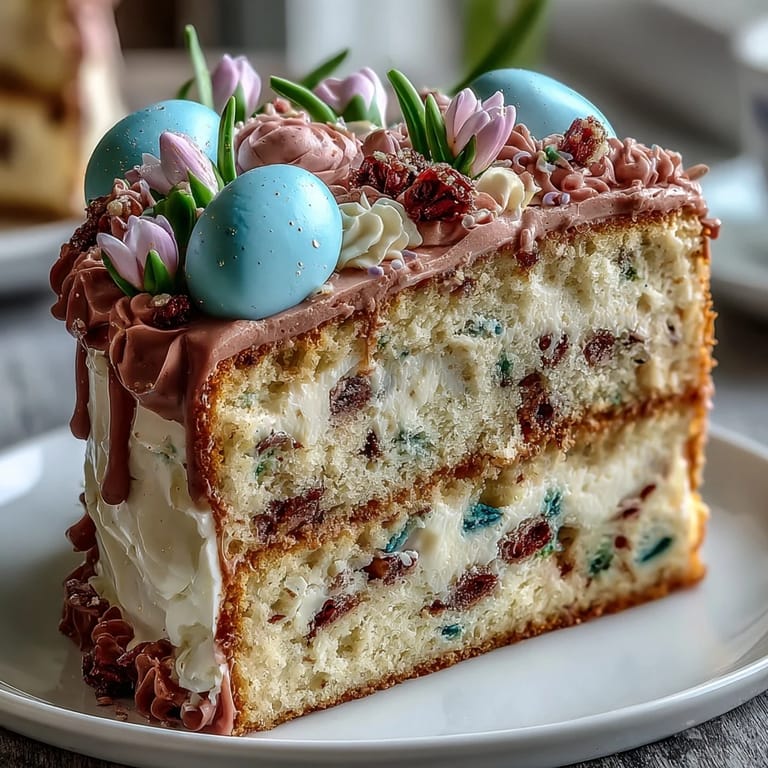
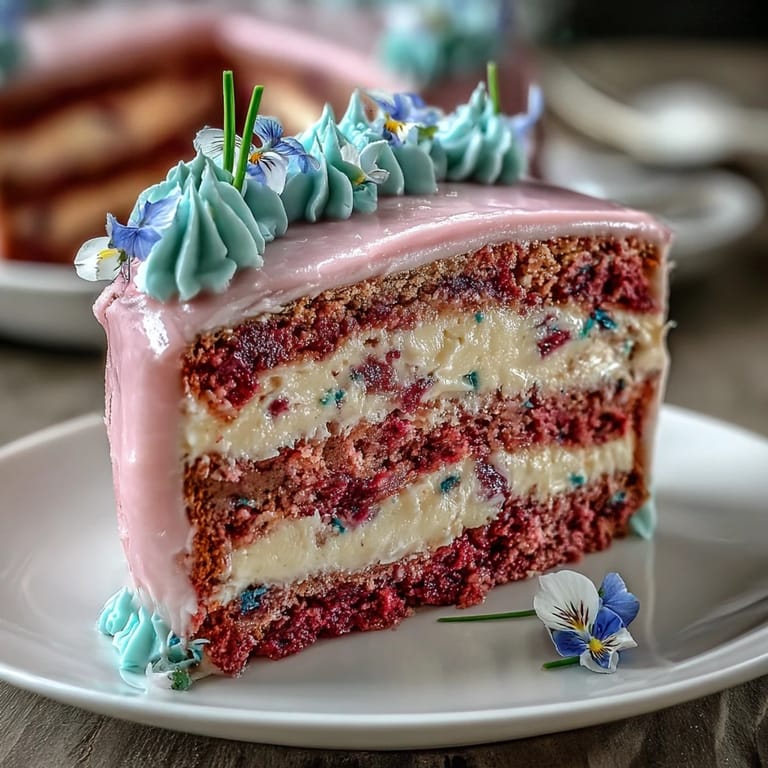
- Fill piping bags with your colored buttercreams and use various tips to create floral designs—small round tips for dots that become flower centers, star tips for petals, or a simple grass tip for leaves. This is where you can't really go wrong because even imperfect flowers look charming in soft colors.
- Final chill:
- Give the finished cake 15 to 20 minutes in the fridge so the buttercream sets before serving—this also makes it easier to slice cleanly.
 Pin it
 When I brought that cake to my sister's party, the first thing people did was stop and stare—not because it was perfect, but because it was undeniably pretty, decorated with care and soft colors that somehow made the whole table feel like spring had arrived early. The second thing they did was taste it, and watching their faces shift from admiring the decoration to enjoying the actual cake was its own kind of reward. That's when I understood why people bake elaborate cakes for celebrations: it's not really about the cake at all.
Getting the Texture Right
The secret to a tender, moist vanilla cake is in how gently you handle the batter once the flour goes in. I used to think more mixing meant better incorporation, but I learned that past a certain point, you're just developing gluten and making the cake tough. The texture should be soft and light, almost cloud-like, before it even goes into the oven. When it comes out, it should feel delicate—you'll know because a fork or toothpick slides through with almost no resistance.
Working with Buttercream and Color
Gel food coloring is genuinely different from liquid coloring, and once you use it, you'll never go back. Liquid drops thin out your buttercream and dilute the flavor, but gel colors stay concentrated, so you get vibrant shades without watering anything down. Pastel colors are actually easier to achieve than you might think—you want just a hint of color, barely visible when you first stir it in. I always test my colors on a small spoonful first, because pastels require such a light touch that it's easy to overshoot.
Decorating Without Stress
The beauty of a pastel floral cake is that perfection isn't the goal—softness and suggestion are what make it charming. Your piped flowers don't need to look botanical; they just need to suggest flowers, and the soft colors do most of the work for you. If you mess up a piped design, you can always smooth it back into the cake and try again, which is a freedom you don't have with other decorating techniques. Here are the things that will make decorating easier and more enjoyable:
- Chill the cake thoroughly between the crumb coat and decorating so the surface is stable and won't get torn up by your piping tip.
- Practice your piping patterns on a piece of parchment first so your hands remember the motions before you commit to the actual cake.
- If your buttercream gets too warm while you're working, pop the cake back in the fridge for 5 minutes to firm everything up again.
 Pin it
 This cake teaches you that baking elaborate desserts isn't about having perfect skills—it's about being willing to try, paying attention to the small details that matter, and understanding that the most meaningful cakes are the ones made with intention. Every time you bake this, you'll get a little better at it, and the cake will taste even more like home.
Recipe FAQs
- → What type of flour is best for this cake?
All-purpose flour is ideal, providing a balanced texture for a tender crumb without heaviness.
- → How can I achieve smooth pastel colors in the buttercream?
Use gel food coloring sparingly, blending well into the buttercream to create soft, even pastel shades without thinning the frosting.
- → Can I prepare this cake in advance?
Yes, baking the cake layers and preparing the buttercream ahead allows for easier assembly and decoration on the day of serving.
- → What decorating tips work best for floral designs?
Assorted piping tips such as petal and leaf tips help create varied flower shapes and textures for a natural look.
- → Are there alternatives to gel food coloring for a natural look?
Natural food dyes from fruit and vegetable extracts can be used for subtle pastel tones, offering an organic appeal.