 Pin it
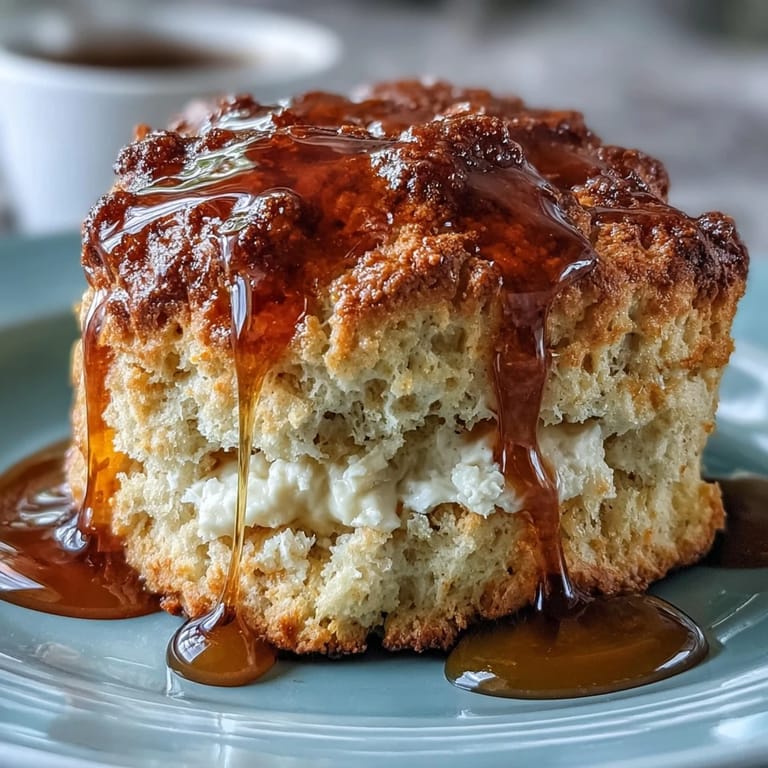
 My neighbor Sarah handed me a small jar of dandelion petals last spring, insisting I try something beyond the usual breakfast spread. I was skeptical at first—dandelions felt more like weeds than ingredients—but one Saturday morning, I mixed them into warm scone dough and the kitchen filled with this subtle, almost honeyed floral scent that made everything feel like celebration. Those golden, tender scones emerged from the oven looking like they belonged in a countryside tearoom, and when I dolloped clotted cream on top, I understood why she'd been so excited.
I made these for my mother's book club meeting, and watching her friends tear into a still-warm scone with real clotted cream on top—the kind of indulgence that usually feels reserved for fancy hotels—reminded me that the best meals are the ones that make ordinary people feel a little bit pampered. She's mentioned them at least a dozen times since.
Ingredients
- All-purpose flour (2 cups): This is your foundation—it needs to be cold when you mix it, and honestly, measuring by weight on a kitchen scale beats eyeballing it every time.
- Granulated sugar (1/4 cup): Just enough to sweeten without overpowering the delicate floral notes; too much and you've lost the whole point.
- Baking powder (1 tbsp): This is what gives scones their characteristic tender crumb and those little air pockets that make them so satisfying.
- Fine sea salt (1/2 tsp): Salt makes the honey and dandelion flavors sing—don't skip it thinking it's unnecessary.
- Unsalted butter, cold and cubed (1/2 cup): Cold butter is non-negotiable here; it creates those flaky layers everyone loves, so keep it in the fridge until the last moment.
- Whole milk, cold (2/3 cup): The cold temperature matters because you want those butter pieces to stay distinct in the dough rather than melting into it.
- Dandelion petals, fresh pesticide-free (2 tbsp plus 2 tbsp for garnish): Pick the bright yellow parts only from flowers that are fully open—the green base tastes bitter and will ruin the delicate balance.
- Honey (2 tbsp plus 1 tbsp for drizzling): This brings everything together with a subtle sweetness that complements rather than overwhelms the floral notes.
- Large egg (1): Your binder that keeps everything tender and helps the scones puff up beautifully in the oven.
- Clotted cream (for serving): This is the reward—rich, thick, and absolutely essential to the experience of eating these scones.
Tired of Takeout? 🥡
Get 10 meals you can make faster than delivery arrives. Seriously.
One email. No spam. Unsubscribe anytime.
Instructions
- Heat your oven and prep:
- Set your oven to 400°F and line a baking sheet with parchment paper so your scones don't stick.
- Mix the dry foundation:
- Whisk flour, sugar, baking powder, and salt together in a large bowl—this distributes the leavening evenly so you get consistent rise across all eight scones.
- Cut in the cold butter:
- Using a pastry cutter or your fingertips, work the cold butter into the flour mixture until it looks like coarse breadcrumbs; you want distinct little butter pieces throughout, not a smooth paste. If your kitchen is warm, chill your bowl for five minutes before this step.
- Combine your wet ingredients:
- In a separate small bowl, whisk together milk, honey, egg, and dandelion petals until the petals are evenly distributed and everything is well blended.
- Bring it together gently:
- Pour the wet mixture into the dry ingredients and stir with a fork just until everything comes together—overworking the dough will make your scones tough and dense, which is the opposite of what you want. A few small dry patches are better than overdoing it.
- Shape your scones:
- Turn the dough onto a lightly floured surface and pat it into a round about one inch thick, then cut it into eight wedges like a pizza. Transfer each wedge to your prepared baking sheet, spacing them out so they have room to puff.
- Bake until golden:
- Bake for 16 to 18 minutes—you're looking for them to turn a beautiful golden brown and puff up slightly. The smell at around the 15-minute mark will tell you they're almost there.
- Finish and serve:
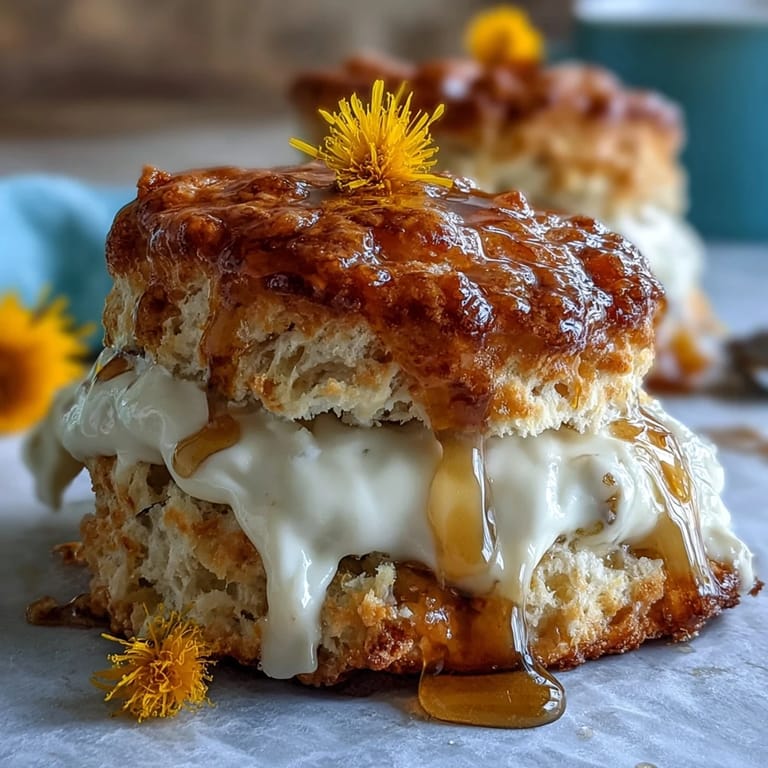
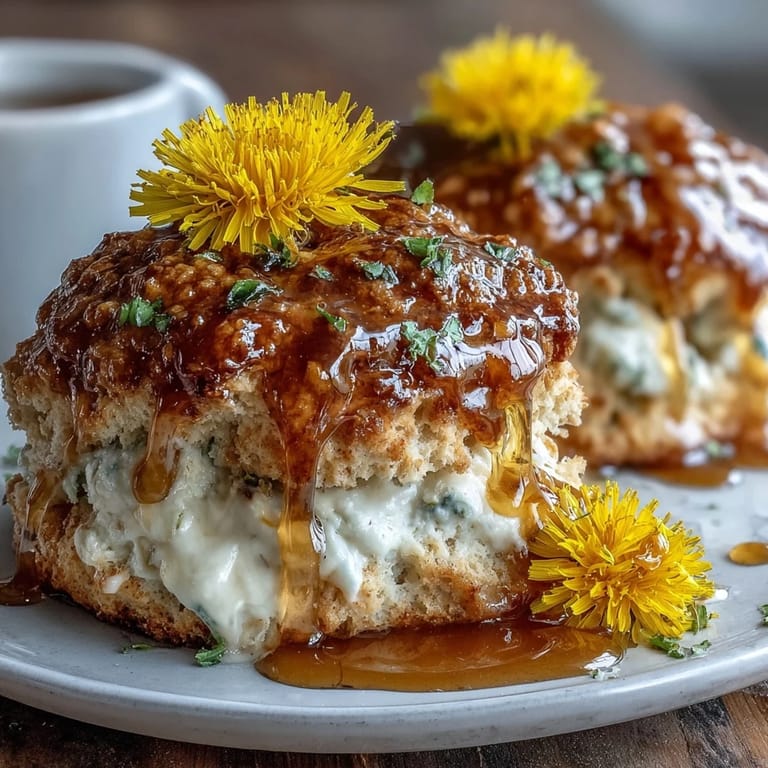
- Let them cool just slightly so you don't burn your mouth, then drizzle with honey and sprinkle the reserved dandelion petals over top for that gorgeous garnish. Serve warm with generous dollops of clotted cream.
 Pin it
 There's something about pulling warm scones from the oven on a quiet morning that makes you feel like you're doing something significant, even if you're just feeding yourself and maybe one other person. It's that magic moment where simple ingredients and a little attention turn into something that tastes like care.
Choosing Your Dandelions Wisely
The first time I foraged dandelions myself, I picked some from the side of the road and nearly ruined an entire batch—the bitterness was overwhelming and unmissable. Now I only use flowers from my own yard or ask trusted neighbors, and I wait until the flowers are fully open and bright yellow, avoiding any with greenish tones. The difference between petals picked at the right time and the wrong ones is honestly night and day, so don't rush this part.
The Clotted Cream Question
Real clotted cream is thick, luxurious, and exactly what these scones deserve, but I understand it's not always easy to find. I've had good results substituting whipped cream in a pinch, though it's noticeably lighter and less rich. Mascarpone works too if you whip it slightly with a touch of honey, giving you that creamy indulgence without the authentic British experience.
Making These Ahead and Storage Tips
These scones are honestly best the day they're baked while they still have that tender crumb and warmth, but you can make the dough the evening before, wrap it tightly, and bake in the morning for minimal effort at brunch time. If you somehow have leftovers, wrap them in foil and reheat gently in a 300°F oven for about five minutes to bring back some of that just-baked texture.
- Store cooled scones in an airtight container at room temperature for up to one day, though they'll gradually firm up.
- You can freeze unbaked dough wedges on a baking sheet and bake them straight from frozen, just add a minute or two to the baking time.
- Never refrigerate baked scones unless you want them to go hard and dry—room temperature or frozen is your best bet.
 Pin it
 These scones have become my answer to the question of what to bring when I want to feel like I've done something thoughtful. There's something about food that tastes like spring that makes people remember you made it.
Recipe FAQs
- → What are the key ingredients for the dandelion honey scones?
Flour, sugar, baking powder, cold butter, whole milk, fresh dandelion petals, honey, and a large egg are combined to create the dough. Honey and petals are also used to finish.
- → How should I prepare the dandelion petals for baking?
Use only pesticide-free, fully opened yellow petals of the dandelion flower, avoiding the green parts which can impart bitterness.
- → Can I substitute clotted cream with another topping?
Yes, whipped cream or mascarpone serve as good alternatives to clotted cream while maintaining a creamy texture.
- → What is the recommended baking temperature and time?
Bake the scones at 400°F (200°C) for 16 to 18 minutes until they turn golden brown and puff up.
- → How should these scones be served for best flavor?
Serve warm with a drizzle of honey, a sprinkle of extra dandelion petals, and generous dollops of clotted cream. Pair with light floral teas or sparkling wine for a complete brunch experience.
- → Are these scones suitable for a vegetarian diet?
Yes, the ingredients are vegetarian-friendly, containing no meat or fish products.