 Pin it
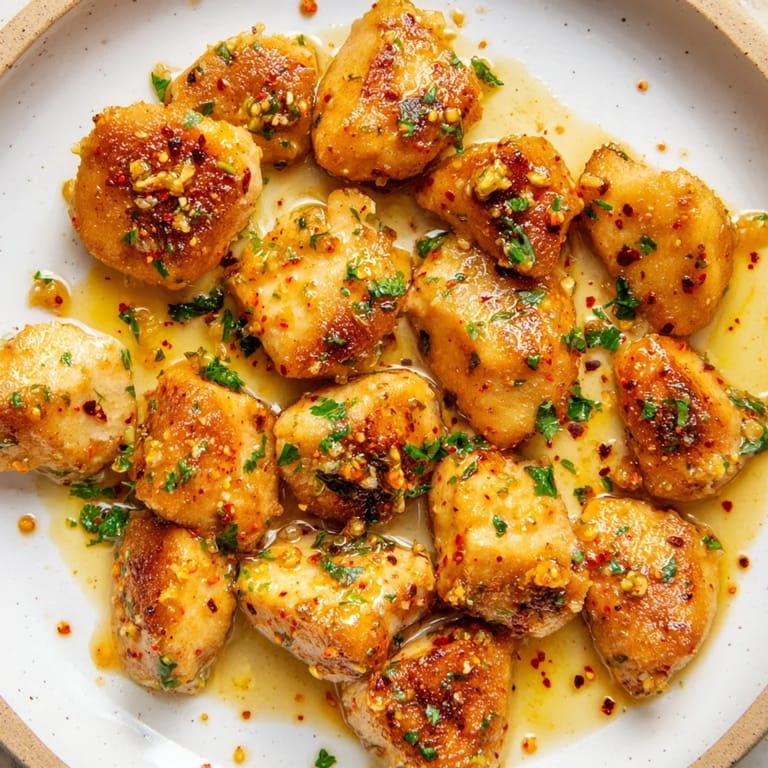
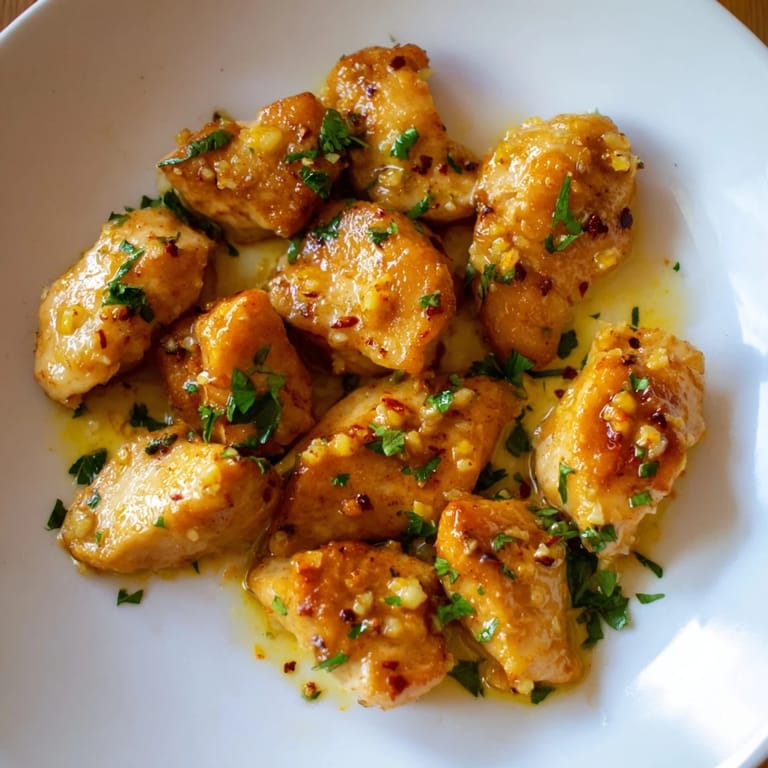
 There's something almost meditative about the moment when you cut chicken into bite-sized pieces and know a quick dinner is minutes away. I discovered this dish on a Tuesday night when I had hungry people coming over and nothing in my head—just chicken, butter, and garlic in the fridge. The kitchen filled with that golden, garlicky smell within fifteen minutes, and suddenly everyone was asking for the recipe before they'd even finished eating.
I remember serving this to my brother when he stopped by unexpectedly, still in his work clothes, saying he only had thirty minutes. He sat at the counter with a fork while the chicken was still in the pan, and I watched him close his eyes at the first bite like he'd just tasted something that solved a problem he didn't know he had. That's when I realized this wasn't just easy—it was the kind of dish that makes people feel cared for without feeling like a fuss.
Ingredients
- Chicken breasts or thighs (1.5 lbs): Thighs stay juicier if you're nervous about drying out the meat, but breasts work beautifully if you don't let them sit in the pan too long—cut them all the same size so they cook evenly.
- Salt, black pepper, smoked paprika: The paprika adds a whisper of something deeper than plain seasoning; don't skip it or the chicken tastes like it's missing its personality.
- Olive oil (1 tablespoon): Just enough to get a good sear without making the pan greasy—the butter comes later and does the real flavor work.
- Unsalted butter (4 tablespoons): This is where the magic lives; use real butter because it behaves differently than the spreadable kind and creates that silky sauce.
- Garlic (5 cloves): Mince it fine so it dissolves into the butter rather than lurking as chunks; the goal is for the sauce to taste garlicky, not garlicky-chunky.
- Red pepper flakes: A small pinch if you like heat, but the dish is lovely without it too—add it to the butter slowly and taste as you go.
- Chicken broth and lemon juice: Together they brighten the richness and keep the sauce from feeling one-note; the lemon shouldn't overpower, just remind you why butter tastes better with a little acid.
- Fresh parsley: A small handful chopped at the end adds color and a green note that makes the whole plate feel finished.
Tired of Takeout? 🥡
Get 10 meals you can make faster than delivery arrives. Seriously.
One email. No spam. Unsubscribe anytime.
Instructions
- Dry and season your chicken:
- Pat the pieces thoroughly with paper towels—they'll sear better if they're not wet, and you'll actually hear them hit the pan properly. Toss them with salt, pepper, and that paprika while you're waiting for the oil to heat.
- Get the sear right:
- Let the oil get shimmering but not smoking, then add the chicken in a single layer without crowding—if pieces overlap, they steam instead of sear. Don't move them around; let them sit for three to four minutes until they're golden and release from the pan naturally.
- Build the sauce:
- Once the chicken is out, lower the heat slightly, add the butter, and listen for that soft sizzle as it melts. The garlic goes in next, and this is when your kitchen smells like someone who knows what they're doing.
- Deglaze and simmer:
- Pour in the broth and lemon juice, using a wooden spoon to scrape up all those caramelized bits stuck to the bottom—that's concentrated flavor, not burned food. Let it bubble gently for a few minutes while you watch it reduce slightly and turn glossy.
- Finish and serve:
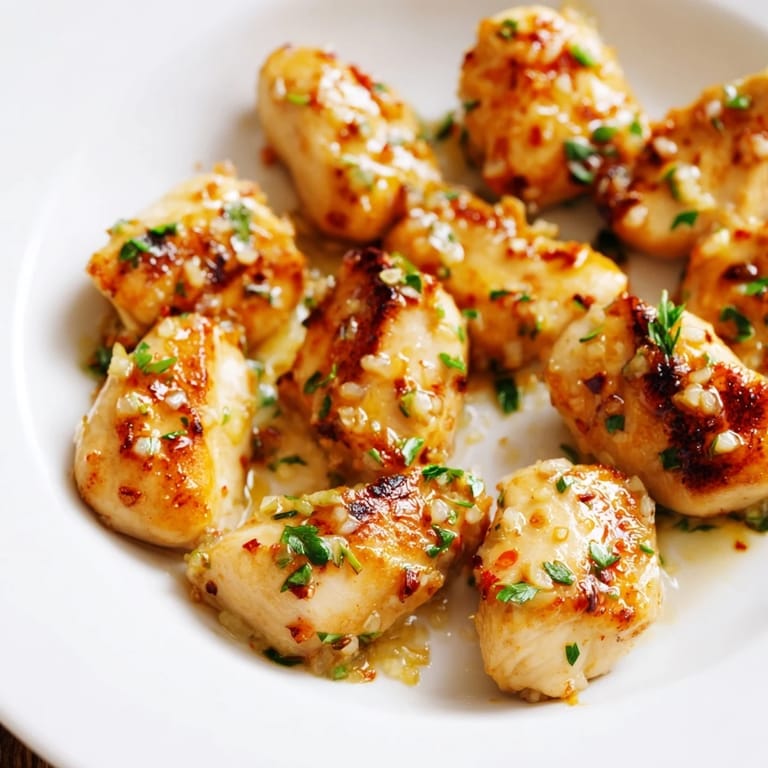
- Return the chicken to the pan, toss it through the sauce once or twice until coated, and taste—add more salt or lemon if it needs it. A scatter of fresh parsley on top and you're done before you know it.
 Pin it
 I've made this dish probably fifty times now, and it still feels like a small miracle that something so simple can taste so complete. There's a comfort in knowing that in less than half an hour, you can feed people something that feels thoughtful and delicious, which is maybe the best feeling a recipe can give you.
Serving Suggestions That Actually Work
The sauce is too good to waste on the plate, so serve this over something that catches it all—rice, mashed potatoes, or even just crusty bread for pushing around your plate. Roasted vegetables on the side feel natural and make the meal look intentional without adding cooking time. I've also served it over fresh egg noodles when someone brought pasta over, and the butter sauce clung to them in a way that made everyone eat faster.
Variations That Keep It Interesting
The base of this recipe is flexible enough to bend without breaking. I've added a splash of dry white wine to the broth and watched the sauce taste rounder and more sophisticated; I've swapped shrimp in when I was in a seafood mood and cooked it for half the time; I've even thrown in mushrooms or spinach at the end to make it feel like a different dish. The only thing I wouldn't change is the butter-garlic combination—that's the spine everything else hangs on.
Why This Works on Busy Nights
There's something about a recipe that doesn't need you to plan ahead or hunt for obscure ingredients—everything here lives in a regular kitchen. The timing is generous enough that you won't panic if your sear takes thirty seconds longer, but fast enough that dinner is actually ready when you need it. This is the kind of dish that teaches you that good cooking isn't about complexity; it's about getting the temperature right, the salt right, and knowing when to stop stirring.
- Prep the chicken and seasonings before you start cooking and the actual cooking part becomes almost meditative.
- Leftover chicken keeps in the fridge for three days and tastes even better reheated gently in a pan with a splash of broth.
- If you're cooking for a crowd, double the recipe and use two skillets running side by side—the timing stays exactly the same.
 Pin it
 This dish has become my quiet proof that feeding people well doesn't require stress or hours in the kitchen—just attention, good ingredients, and the willingness to let simple things taste good. Make it once and you'll understand why it keeps appearing on tables.