 Pin it
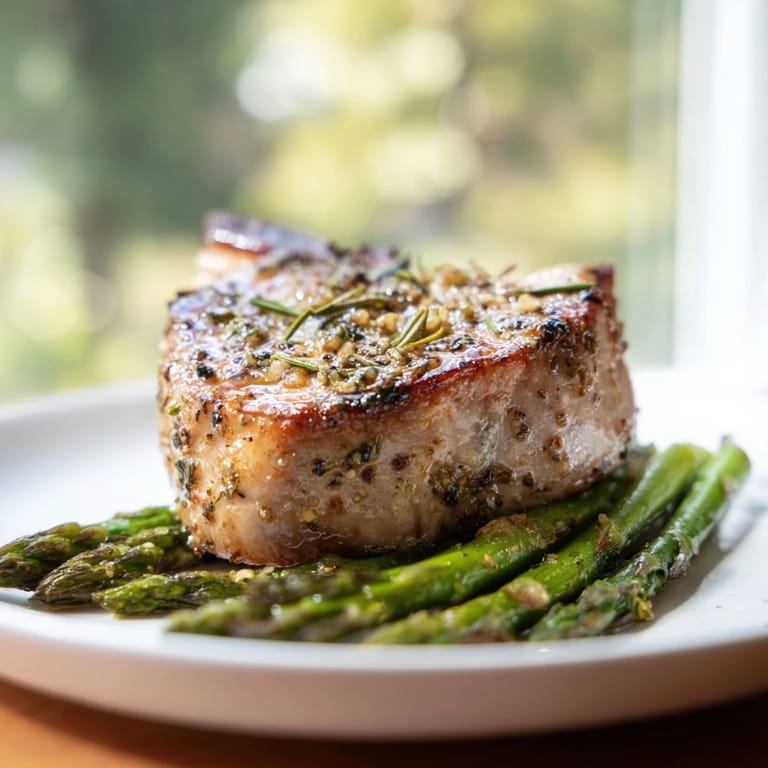
 I discovered this one-pan lemon herb pork chops recipe on a Tuesday evening when I had exactly thirty minutes before dinner guests arrived and absolutely no idea what to make. I opened my fridge, found four beautiful pork chops, a bunch of asparagus that needed using, and a lemon staring back at me. Something clicked in that moment—the simplicity of it, the brightness of citrus against tender meat, the way fresh herbs could transform the ordinary into something that tastes like you spent all afternoon cooking. That night, as everyone gathered around the table and took their first bites, I knew this would become one of my go-to meals whenever I needed to feel like a confident cook without the stress.
I'll never forget the first time I made this for my sister who had just started her new job and was completely exhausted. She walked in, skeptical that anything good could come from such a short cooking time, but the smell of that sizzling skillet with lemon and herbs changed everything. When she tasted it, her entire expression softened. She said it was exactly what she needed—something elegant but unpretentious, nourishing but easy. That's when I realized this dish had a quiet magic to it.
Ingredients
- 4 boneless pork chops (about 1 inch thick): This thickness is your secret to a beautiful golden crust while keeping the inside tender and juicy. Thinner chops dry out too quickly; thicker ones need longer in the oven. I learned the hard way that you want them uniform in size so they cook at the same rate.
- 3 tablespoons olive oil total (2 for marinade, 1 for searing): The oil carries the flavor of the herbs and garlic right into the meat. Use a good quality olive oil here—it genuinely makes a difference in how the final dish tastes.
- 2 cloves garlic, minced: Fresh garlic creates a subtle, savory depth that complements the bright lemon perfectly. Mince it fine so it distributes evenly through the marinade.
- 1 tablespoon fresh rosemary, finely chopped (or 1 teaspoon dried): Fresh herbs are worth the effort here—they have a lighter, more elegant quality than dried. If you only have dried, that works too, just use less since it's more concentrated.
- 1 tablespoon fresh thyme, finely chopped (or 1 teaspoon dried): Thyme adds an earthy undertone that keeps this dish from being one-dimensional. It's the quiet hero that makes people ask what you did to make it so good.
- 1 teaspoon salt: Salt isn't just seasoning—it's a flavor amplifier. Don't skip it or reduce it; this is your foundation.
- ½ teaspoon black pepper: Freshly cracked pepper makes all the difference. Pre-ground loses so much of its punch.
- Zest and juice of 1 lemon: The zest brings brightness and aromatic oils; the juice adds actual acid that tenderizes the pork slightly while enhancing everything. This is non-negotiable for the character of the dish.
- 1 bunch asparagus (about 400 g), trimmed: Look for spears that are vibrant green and snap cleanly when bent. Trim the woody ends by bending each spear until it breaks naturally—this is foolproof and wastes nothing.
- Lemon wedges for garnish: A final squeeze of fresh lemon at the table lets everyone adjust the brightness to their taste. It's a little gesture that elevates the whole experience.
Tired of Takeout? 🥡
Get 10 meals you can make faster than delivery arrives. Seriously.
One email. No spam. Unsubscribe anytime.
Instructions
- Get your oven and skillet ready:
- Preheat your oven to 425°F (220°C). This temperature is hot enough to finish cooking the pork and make the asparagus tender with a slight char, but not so hot that the outside burns before the inside cooks through. While it heats, get your large ovenproof skillet ready—it needs to be able to go from stovetop to oven without any issues.
- Build your flavor base:
- In a large bowl, combine the 2 tablespoons of olive oil with the minced garlic, rosemary, thyme, salt, pepper, lemon zest, and lemon juice. Stir it together until it looks like a loose paste. This is your marinade, and it's where all the magic begins. Add your pork chops and turn them gently with your hands to coat them evenly on both sides. Let them sit for 10 minutes—this gives the flavors time to start penetrating the meat. If you have a bit more time, 30 minutes is even better, but don't stress if you're in a hurry; 10 minutes does the job.
- Sear the pork until golden:
- Heat that 1 tablespoon of olive oil in your skillet over medium-high heat until it shimmers. You'll know it's ready when you can smell the oil getting hot. Carefully place the pork chops in the pan—they should sizzle immediately, which is exactly what you want. Let them sit undisturbed for 2 minutes. You're building a golden crust that locks in juices and adds incredible flavor. Flip each chop with tongs and sear the other side for another 2 minutes. The chops won't be cooked through yet, and that's perfect. Remove them to a plate and set aside.
- Prepare the asparagus:
- In that same skillet (don't wash it—those browned bits are flavor), add the trimmed asparagus. Drizzle with 1 tablespoon of olive oil, sprinkle with salt and pepper, and toss gently with tongs so each spear gets coated. The asparagus will soften slightly from the residual heat and start to pick up color from the fond on the bottom of the pan.
- Bring it all together and finish in the oven:
- Nestle the seared pork chops back among the asparagus, arranging them so they're sitting on top or tucked between the spears. Transfer the entire skillet to your preheated oven. Set a timer for 10 minutes, then check. You're looking for the pork to reach an internal temperature of 145°F (63°C) when you touch a meat thermometer to the thickest part—that's perfectly cooked, still tender and slightly pink in the center. The asparagus should be tender when you pierce it with a fork, with just a hint of char on the tips. This usually takes 10 to 12 minutes depending on your oven.
- Rest and serve:
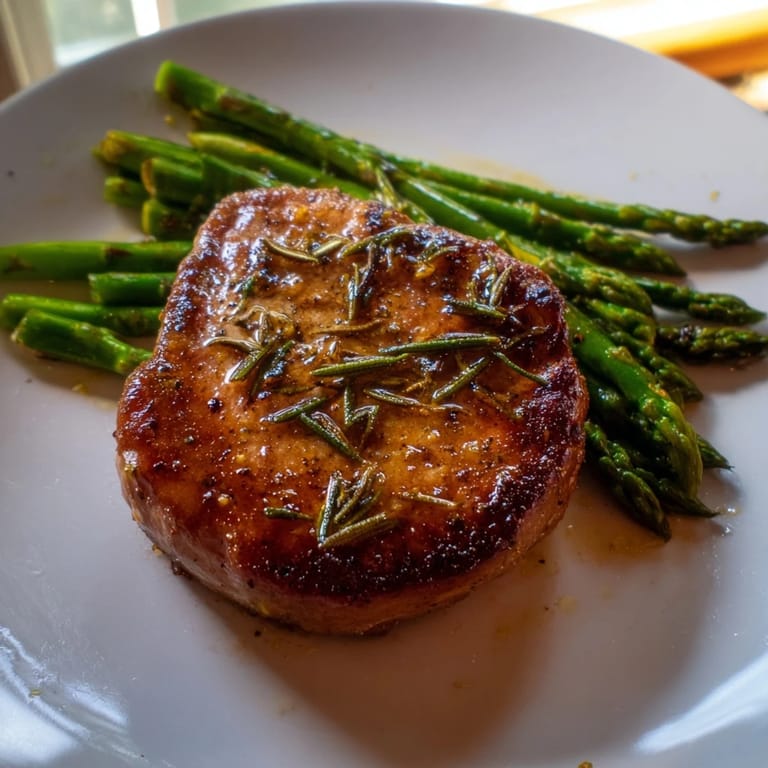
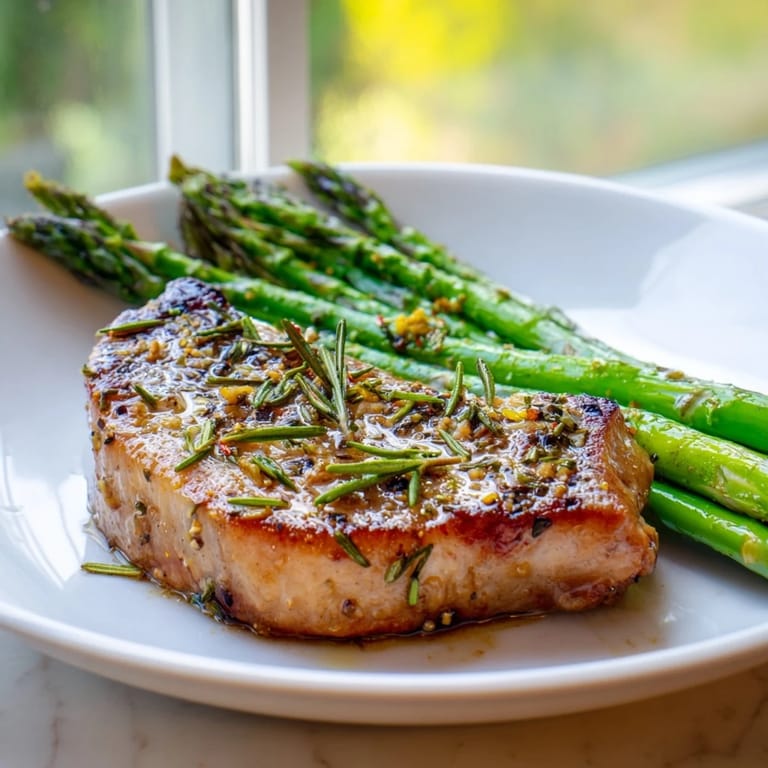
- Remove the skillet from the oven—be careful, it's hot!—and let the pork chops rest right there in the pan for 5 minutes. This resting time is crucial; it allows the juices to redistribute through the meat so you get tender, juicy chops instead of dry ones. Arrange on plates with the asparagus, top with lemon wedges, and scatter a few fresh herbs over top if you have them. Serve immediately while everything is still warm.
 Pin it
 There was a moment, maybe halfway through making this dish one Saturday, when my young niece wandered into the kitchen and asked why it smelled so good. I let her help me trim the asparagus—she was meticulous about it, and so proud when we roasted it together. When we sat down to eat, she announced that she had made dinner that night, and her parents agreed. That small moment of her confidence in the kitchen, sparked by something this simple and forgiving, reminded me why I love cooking for people.
Why This Meal Feels Special
There's something deeply satisfying about one-pan cooking. It's not just about efficiency, though that matters. It's about the way all the flavors mingle during cooking—the lemon juice that caramelizes slightly at the bottom of the pan, the herb-infused oil that coats the asparagus, the juices from the pork that season everything. Nothing gets wasted, and the interplay of flavors is greater than the sum of the parts. This is the kind of meal that makes you feel capable and thoughtful without requiring you to be a skilled cook.
Swaps and Variations That Work
I love this recipe because it's flexible without becoming unrecognizable. If asparagus doesn't appeal to you or you can't find good ones, green beans work beautifully—they take the same cooking time and have a similar tender-crisp quality. Broccolini is another option if you want something slightly earthier. You can also add a splash of dry white wine to the pan before roasting if you want extra depth; it adds a subtle sophistication and a whisper of acidity that makes people wonder what your secret ingredient is.
- Green beans create a lighter, more delicate plate while keeping the same vibrant energy
- A splash of white wine adds restaurant-quality depth without making the dish complicated
- If you want it even faster, use pre-minced garlic from a jar—it's not ideal but it genuinely works in a pinch
What to Serve Alongside
This dish stands beautifully on its own, but if you want a full meal, roasted potatoes are the obvious choice—golden, crispy on the outside, creamy on the inside, they're the perfect canvas for mopping up the lemony pan juices. A simple green salad with a light vinaigrette also works wonderfully if you want something fresher and lighter. The beauty is that this pork and asparagus is bright and satisfying enough that it doesn't need much support.
 Pin it
 This recipe reminds me that some of the best meals aren't complicated—they're just thoughtfully assembled with ingredients that genuinely like each other. Make it tonight, and it might just become the meal you reach for again and again.
Recipe FAQs
- → How do I ensure the pork chops stay tender?
Marinate pork chops in lemon juice and herbs for at least 10 minutes to help tenderize the meat, and avoid overcooking when roasting.
- → Can I substitute asparagus with other vegetables?
Yes, green beans or broccolini make excellent alternatives and roast well alongside pork chops.
- → What internal temperature should the pork reach when cooked?
Cook pork chops until they reach 145°F (63°C) internally to ensure they are safe yet juicy and tender.
- → Is it necessary to sear the pork chops before roasting?
Searing helps develop a golden brown crust and enhances flavor before finishing in the oven.
- → Can I add extra flavor during roasting?
Adding a splash of white wine just before roasting adds depth and enhances the overall aroma.