 Pin it
 I was seventeen when my mom first taught me how to make a proper tuna melt, standing beside her at the stove on a rainy Saturday afternoon. She'd always say that the secret wasn't in fancy ingredients but in patience—letting the cheese melt just enough while the bread turned that perfect golden brown. It became my go-to lunch when I needed comfort, and somehow, over the years, it became the sandwich I make for everyone I care about.
I remember making these for my college roommate during finals week—she'd been stressed for days, and when she took that first bite, her whole expression changed. That's when I realized this wasn't just a sandwich; it was a little act of kindness wrapped in buttered bread.
Ingredients
- Canned tuna (5 oz): The foundation of everything, and honestly, don't skip the draining step—excess moisture is your enemy here and will make the sandwich soggy.
- Mayonnaise (2 tbsp): This is what brings everything together with creaminess; use a good quality mayo if you can because it really does make a difference.
- Dijon mustard (1 tsp): Just a whisper of it adds a subtle depth that makes people ask what your secret ingredient is.
- Celery (1 stalk, finely chopped): The crunch here is essential—it's what keeps each bite interesting and prevents the salad from being one-note.
- Red onion (1 tbsp, finely chopped): A little sharpness to balance the richness, but keep it small or it'll overpower everything else.
- Lemon juice (1 tsp): This brightens the whole thing up and keeps the tuna from tasting flat.
- Sandwich bread (4 slices): Choose whatever bread speaks to you—white is classic, whole wheat adds nuttiness, and sourdough brings a slight tang.
- Cheddar or Swiss cheese (4 slices): Cheddar is bold and buttery, while Swiss is milder and more delicate; pick based on your mood.
- Unsalted butter (2 tbsp, softened): This is what gives you that gorgeous golden crust, so don't skimp or substitute.
Tired of Takeout? 🥡
Get 10 meals you can make faster than delivery arrives. Seriously.
One email. No spam. Unsubscribe anytime.
Instructions
- Build your tuna salad:
- Grab a bowl and combine your drained tuna with the mayo, mustard, finely chopped celery, red onion, and lemon juice. Mix it all together gently—you want everything combined but not broken down into a paste. Taste it, then season with salt and pepper until it tastes like something you'd actually want to eat.
- Assemble the sandwiches:
- Lay out your four bread slices on a clean counter. Divide the tuna salad evenly between two slices, spreading it right to the edges. Top each with two cheese slices—one on top of the tuna, layering them so the cheese covers as much surface area as possible.
- Close them up:
- Place the remaining bread slices on top of the cheese, pressing down gently. You now have two beautiful sandwiches waiting to be transformed.
- Butter the outside:
- Spread the softened butter evenly on the outside of each sandwich—one side of each bread slice. This is what's going to give you that crispy, golden exterior, so be generous.
- Get the skillet ready:
- Heat a nonstick skillet or griddle over medium heat. You want it hot enough that a tiny piece of butter sizzles immediately, but not so hot that it smokes.
- Cook the first side:
- Place the sandwiches buttered-side down on the hot skillet. You'll hear a gentle sizzle, and here's where patience matters—let them cook for 3 to 4 minutes without moving them around. Press gently with your spatula occasionally to encourage the bread to brown evenly and help the cheese start melting.
- The flip:
- When the first side is golden and crispy, carefully flip each sandwich. The bread should have a beautiful color, and you should already smell that warm, toasty aroma.
- Finish strong:
- Cook the second side for another 3 to 4 minutes until it matches the first side in color and the cheese is completely melted inside. You want the cheese soft and gooey, not leaking out but definitely melted.
- Rest and serve:
- Remove the sandwiches from the skillet to a cutting board. Let them cool for just a minute—they'll be hot inside—then slice them in half diagonally. Serve immediately while everything is still warm.
 Pin it
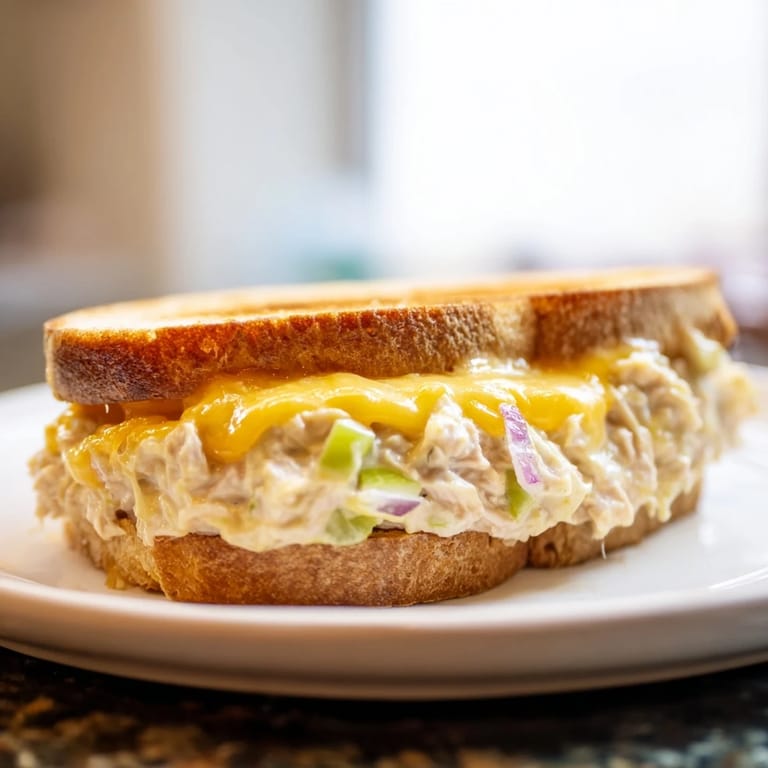
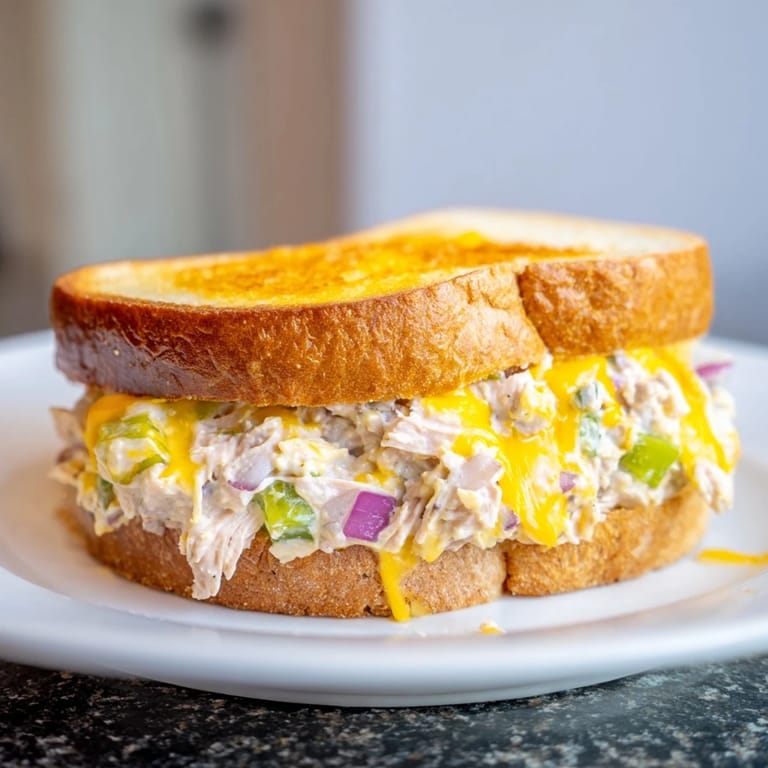
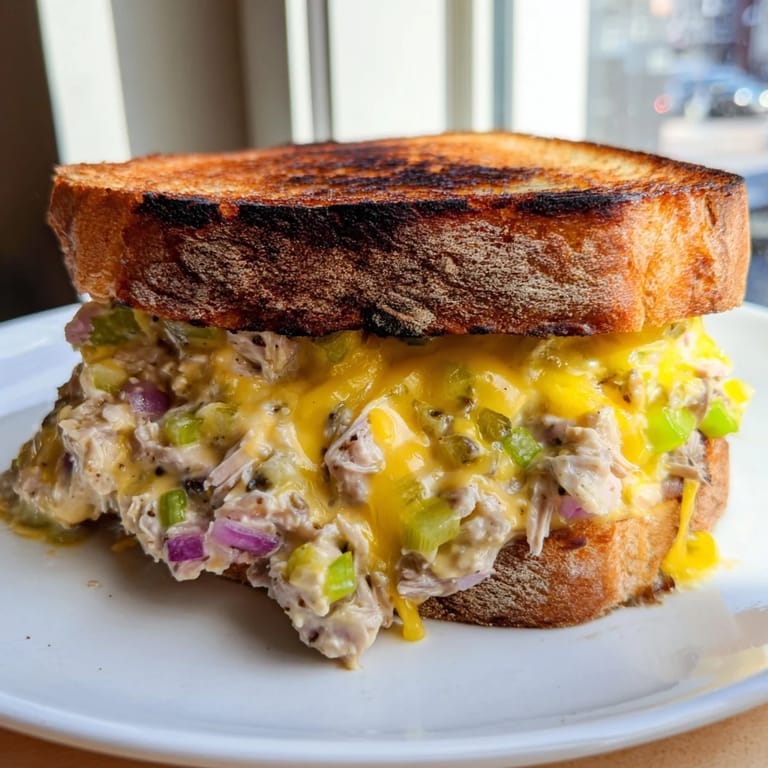
 There's something almost magical about taking a bite of a perfectly made tuna melt—the way the melted cheese bridges from one slice to the next, the crunch of the bread giving way to the creaminess inside. It's one of those simple moments that reminds you why cooking for yourself or someone else matters.
Variations to Keep Things Interesting
Once you've mastered the classic, there's so much room to play. I've added sliced tomato for brightness and a pickle for a tangy crunch. I've swapped the cheddar for Swiss when I wanted something more delicate, or provolone when I wanted something with a bit more character. Some days I spread a thin layer of pesto on the bread before the tuna salad—it sounds fancy but it's honestly just five minutes of extra flavor. The beauty of this sandwich is that it's flexible enough to work with whatever you have in your kitchen while still feeling intentional.
What to Serve Alongside
A tuna melt is honestly pretty complete on its own, but I always love pairing it with something that either balances the richness or complements it. Potato chips are the obvious choice and honestly the right choice—their saltiness and crunch against the creamy sandwich is perfection. A light salad works beautifully too if you want something fresher, something with peppery greens and a simple vinaigrette to cut through the richness of the cheese and mayo. Sometimes I'll make a quick cucumber salad or serve it with pickles on the side. The point is that this sandwich is versatile enough to fit into whatever kind of meal you're imagining.
Making It Your Own
The real secret to loving this recipe is understanding that it's a foundation, not a rulebook. Once you've made it a few times and understand how each component works, you'll start experimenting. Maybe you'll discover that you prefer whole grain mustard to Dijon. Maybe you'll add capers or diced jalapeños. Maybe you'll try it with different cheeses until you find your favorite. The tuna melt has been made the same way for generations for a reason—it works—but your version of it should feel personal and taste like home.
- Try adding fresh tomato slices between the tuna and cheese for brightness and moisture.
- A tiny spread of horseradish or spicy mayo can add an unexpected kick that changes everything.
- Don't be afraid to use flavored butters—herb butter or even a smidge of garlic powder mixed into your softened butter elevates the whole sandwich.
 Pin it
 There's comfort in making something this simple with your own hands and serving it warm to someone you care about. That's the real reason this sandwich has lasted as long as it has.
Recipe FAQs
- → What kind of tuna is best to use?
Use canned tuna packed in water or oil; drain well for best texture and flavor balance.
- → Can I use different types of cheese?
Yes, cheddar is traditional, but Swiss or provolone work well and offer varied flavors.
- → How do I achieve a crispy sandwich exterior?
Butter the bread slices and cook on medium heat in a skillet or griddle, pressing gently until golden brown.
- → Are there any good additions to enhance flavor?
Try adding sliced tomato or pickles inside the sandwich for extra zest and texture contrast.
- → What bread types suit this sandwich best?
Plain white, whole wheat, or sourdough bread all provide a sturdy base and crisp nicely when cooked.