 Pin it
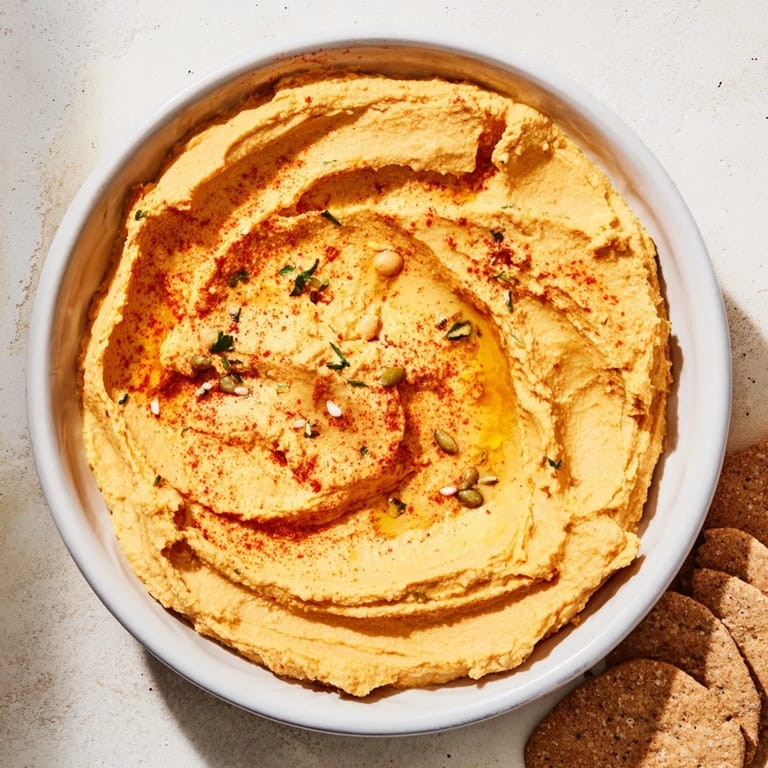
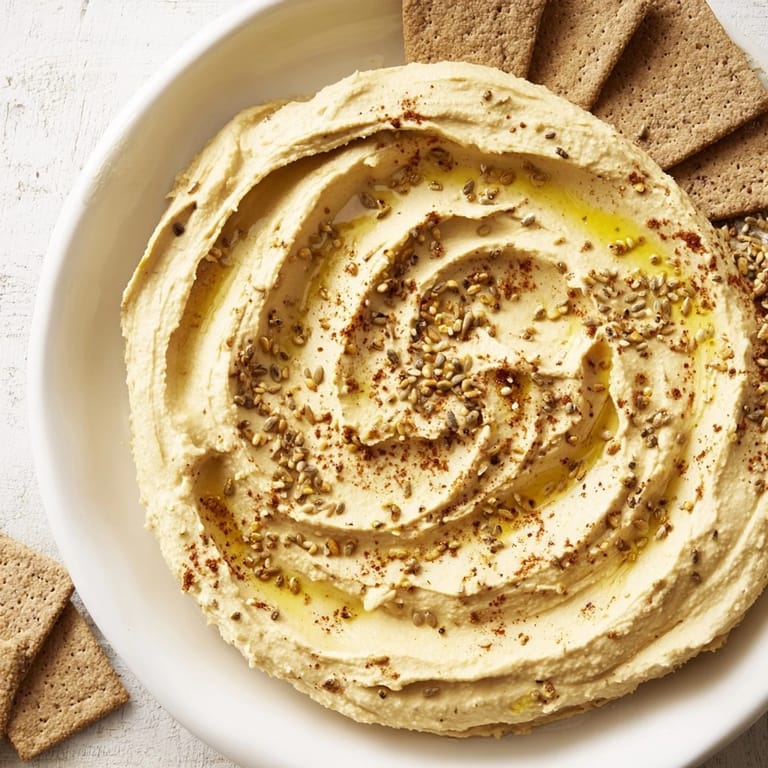
 I discovered this dish while arranging appetizers for a casual dinner party, and I found myself mesmerized by how a simple spreader could create texture and drama on a platter. The way the hummus caught the light in those little ridges reminded me of geological formations I'd seen in photographs, and suddenly the whole thing felt like edible landscape design. My guests kept asking what made it so visually striking, and I realized they were drawn to the idea that something this beautiful required almost no cooking. That moment changed how I think about presenting food—sometimes the most impressive dishes are the ones that let you play with shape and form.
I made this for my sister's book club, and watching everyone pause before reaching for a cracker told me something was working. One guest described it as "almost too pretty to eat," which became the highest compliment I could have received. The conversation that night felt more relaxed, more connected, and I credit that partly to how the platter invited people to interact with it rather than just consume it quickly.
Ingredients
- Classic hummus: The foundation of everything—use the best quality you can find or make your own if you're feeling ambitious, because it's the star and no amount of styling can mask thin flavor.
- Smoked paprika: This gives a warm, subtle depth that makes people wonder what the secret ingredient is.
- Extra-virgin olive oil: Don't skip the quality here; it's not hidden in a sauce but swirled visibly into the spread.
- Ground cumin: A half teaspoon might seem small, but it's the difference between a generic appetizer and something memorable.
- Cayenne pepper: Optional, but a pinch adds a whisper of heat that makes the creaminess more interesting.
- Beige crackers: The color matters as much as the crunch—whole wheat, sesame, or water crackers all work beautifully because they complement rather than compete with the hummus.
- Toasted sesame seeds and fresh parsley: The garnish is your finishing brushstroke, adding visual contrast and a hint of fresh flavor that cuts through the richness.
- Lemon wedges: These aren't just decoration; they're essential for anyone who wants to brighten up a bite or reset their palate between flavors.
Tired of Takeout? 🥡
Get 10 meals you can make faster than delivery arrives. Seriously.
One email. No spam. Unsubscribe anytime.
Instructions
- Season and smooth the foundation:
- Combine your hummus with the paprika, olive oil, cumin, and cayenne in a bowl, stirring until the spices are evenly distributed and the color is uniform. You're not whisking frantically—just a few slow, deliberate strokes until it feels like one harmonious blend.
- Create the first wavy layer:
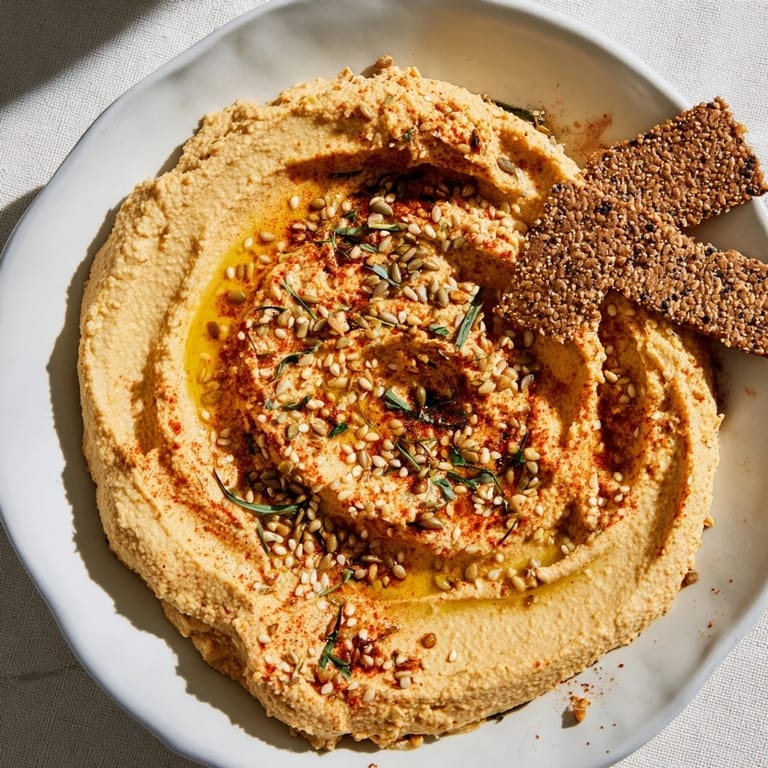
- Spread the seasoned hummus across your serving platter in loose, undulating lines using a spatula or offset knife, letting your hand move naturally to form ridges and valleys. Step back and look at it; this is where you're establishing the rhythm and contour of your canyon landscape.
- Build the canyon walls:
- Stand crackers upright into the hummus along the ridges you've created, overlapping them slightly so they lean and rest naturally. The wavy hummus should cradle them; they're not meant to stand perfectly straight but to follow the terrain you've made.
- Layer and repeat:
- Spread another thin layer of hummus in wavy patterns between and around the first set of crackers, then repeat with more crackers, building three to four layers total. Each layer should echo the wave pattern of the one below, creating visual depth that invites people to explore with their hands.
- Crown with garnish:
- Scatter toasted sesame seeds and chopped fresh parsley across the top, letting some nestle into crevices and some rest on the highest points. The color contrast makes all your layering work suddenly visible and appetizing.
- Finish and serve:
- Arrange lemon wedges around the platter's edge and bring it to the table immediately, letting people dive in while the crackers are still at their crispest.
 Pin it
 There was a moment at that dinner party when someone broke a cracker away from the hummus and actually noticed how the texture changed from the spread to the crisp edge. They looked at me with surprise, as if I'd orchestrated that exact sensation, and in a way I had—just by thinking about texture and contrast instead of following a formula. That small observation shifted how I approach putting food together now.
Flavor Variations That Tell a Story
Once you understand the basic concept, you can let the hummus tell different stories. Roasted red pepper or sun-dried tomato hummus swirled in between layers adds visual surprise and warmth, while a layer of beet hummus creates an unexpected pop of color. Each variation should feel like a deliberate choice, not an afterthought—so think about what story your canyon is telling before you build it.
The Science of Serving
I learned that humidity, temperature, and timing all matter more than you'd expect for something this simple. A platter brought straight from a cool pantry will have crackers that hold their integrity longer than those sitting in a warm room. Lemon wedges make a real difference too, not just for flavor but because the acidity helps cut through any richness and awakens the palate between bites, making people want more rather than feeling overwhelmed.
Turning a Simple Spread Into Theater
What made me fall in love with this recipe is that it proves appetizers don't need to be fussy or complicated to be impressive. The plating becomes the cooking, and your hands and instincts become the recipe.
- Think about your platter as a canvas and let your waves be natural, not perfectly geometric—imperfection reads as confidence.
- Toast your sesame seeds fresh if possible; stale garnish is what gives away a dish that wasn't made with intention.
- Serve this at room temperature or slightly cool, never chilled, because cold hummus loses the subtle flavors you worked to layer in.
 Pin it
 This recipe taught me that the most meaningful entertaining happens when you stop thinking about impressing people and start thinking about inviting them into something playful and real. Every time I make this now, it feels less like following instructions and more like having a quiet conversation with whoever will be eating it.
Recipe FAQs
- → What type of hummus works best for layering?
A classic, smooth hummus blends well with spices and holds shape nicely when layered.
- → How do I create the canyon-like texture?
Use a spatula to spread hummus in wavy ridges and place crackers upright following the contours.
- → Can I customize the seasoning?
Yes, adding smoked paprika, cumin, and optionally cayenne pepper enhances the flavor and depth.
- → What crackers are ideal for this presentation?
Neutral beige crackers like whole wheat, sesame, or water crackers provide good texture and color.
- → How should it be served for best flavor?
Serve immediately with lemon wedges to add a fresh, zesty contrast to the creamy layers.