 Pin it
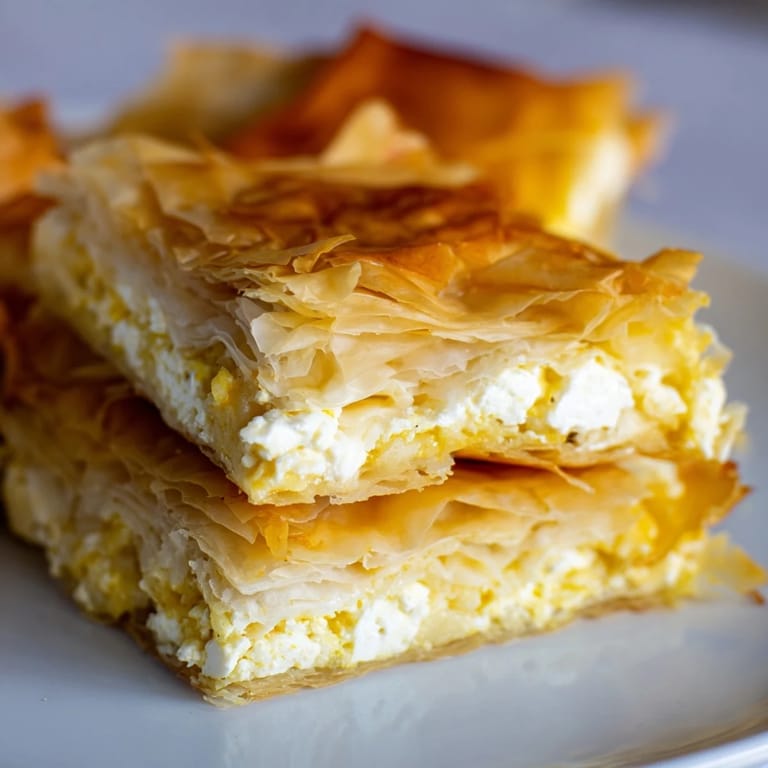
 My neighbor's kitchen smelled like toasted phyllo and warm cheese the first time she made gibanica for us, and I watched her work with such ease that I assumed it was some complicated family secret. Years later, I realized the magic wasn't in technique—it was in that moment when you layer something so simple, egg and cheese and oil, and it becomes something golden and impossible to stop eating. That's when I knew I had to learn how to make it myself, and now it's become my version of comfort food, the kind of dish that fills a room with warmth before anyone even takes a bite.
I brought gibanica to a potluck once thinking it would be the quiet appetizer nobody paid much attention to, and instead people kept circling back asking for the recipe while it was still warm. One friend ate three pieces and admitted she'd never had anything like it, which is when I realized this Balkan treasure wasn't as well known as it deserved to be. Now whenever someone asks what I'm making for a gathering, this is the first thing I reach for.
Ingredients
- Cottage cheese: This is your creamy base and it matters that it's not too runny—drain it slightly if yours seems watery, because the filling shouldn't be soupy when it bakes.
- Feta cheese: The salt and tang come from here, and crumbling it by hand rather than using pre-crumbled keeps the texture tender and not powdery.
- Eggs: They bind everything together and add richness, so use large ones for the right proportion.
- Yogurt: Plain and unsweetened is essential—it adds moisture and a subtle tang that brightens the filling without making it sour.
- Sunflower oil: The phyllo needs this to get crispy and golden, so don't skimp or substitute with something heavier like olive oil here.
- Sparkling water: This small addition creates a lighter texture in the filling, almost like a secret ingredient that nobody notices but everyone tastes.
- Phyllo dough: Thaw it completely before you start or it will crack and shatter, and keep it covered with a slightly damp towel while you work so the sheets don't dry out.
Tired of Takeout? 🥡
Get 10 meals you can make faster than delivery arrives. Seriously.
One email. No spam. Unsubscribe anytime.
Instructions
- Set up your space:
- Preheat the oven to 180°C and grease your baking dish well with oil. Have your phyllo sheets out and ready, covered with a damp towel so they don't dry out while you work.
- Make the filling:
- Combine cottage cheese, feta, eggs, yogurt, oil, sparkling water, salt, and pepper in a bowl and mix until smooth and creamy. Taste it and adjust the seasoning—remember that phyllo and baking will concentrate the flavors.
- Layer the base:
- Place one phyllo sheet in the dish and brush it lightly but thoroughly with oil. Do this with two more sheets, brushing each one, so you have a firm foundation.
- Build the pie:
- Spread 3 to 4 tablespoons of filling over your three-sheet base, then add 2 to 3 more phyllo sheets (brushing each with oil) and another layer of filling. Keep alternating until you've used everything, ending with 2 clean phyllo sheets on top.
- Finish and bake:
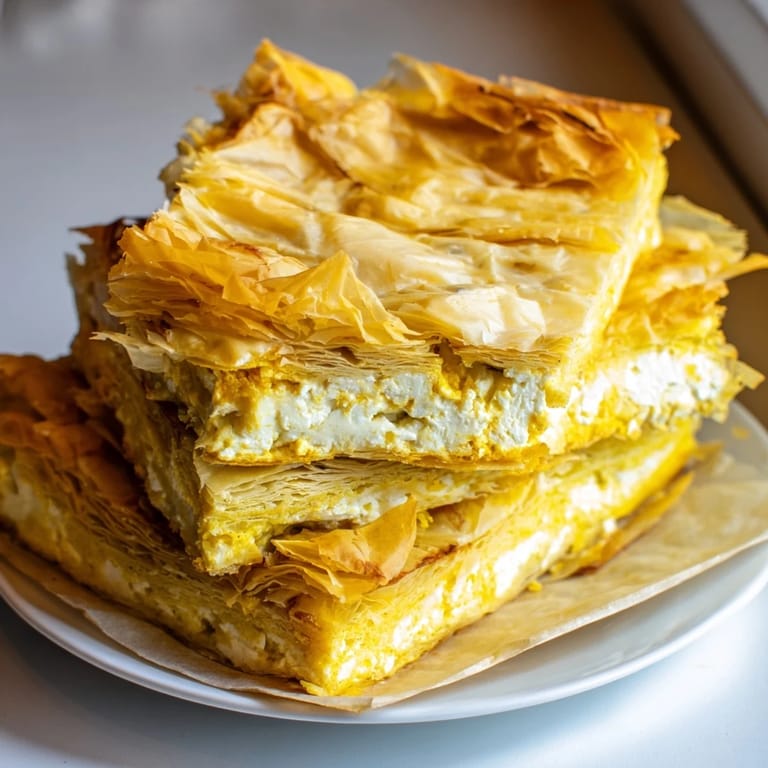
- Brush the top generously with oil and optionally beat an egg yolk and brush it over for a deep golden shine. Cut the whole thing into squares or diamonds with a sharp knife, then bake for 35 to 40 minutes until the top is crackling and golden brown.
- Rest and serve:
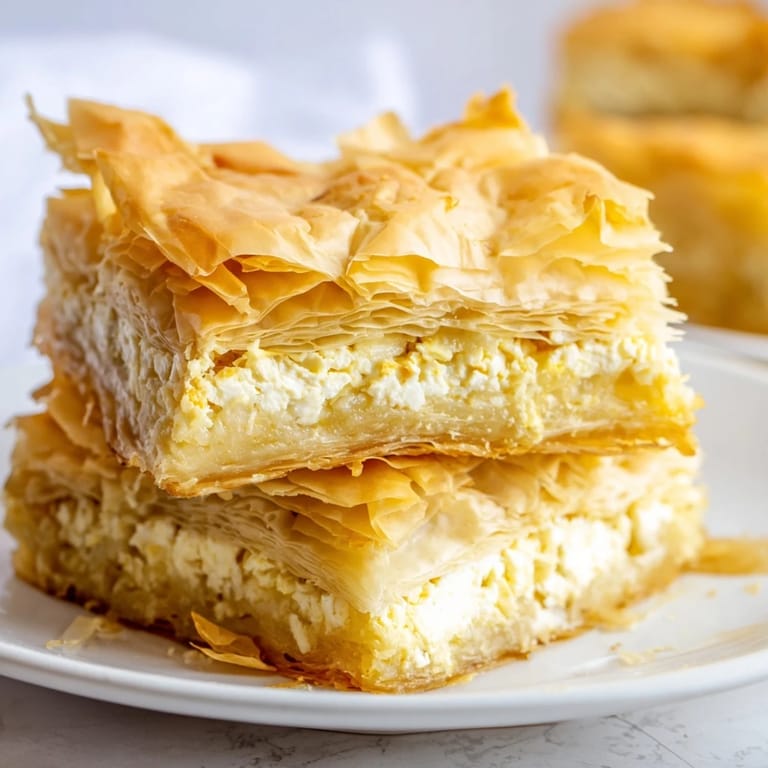
- Let it cool for 10 minutes—this makes it easier to cut and serve cleanly. Eat it warm or at room temperature, either way is wonderful.
 Pin it
 There's a moment about halfway through baking when the kitchen fills with this toasted, savory smell that makes everyone in the house appear in the doorway asking when it will be ready. That's when I know I've made the right choice, because a dish that makes people gather is worth every layer you carefully brush with oil.
Why Phyllo Matters
Phyllo is what separates gibanica from any other cheese pie—those paper-thin, crispy layers create texture that's almost impossible to achieve any other way. The oil brushed between each sheet doesn't just add flavor, it creates steam pockets that make the pastry shatter lightly when you bite it. I learned this the hard way when I once tried to skip brushing some layers to save oil, and those sheets turned tough instead of tender.
Serving and Storage
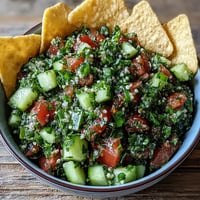
Serve gibanica warm with a simple salad of fresh tomato and cucumber, or with a dollop of sour cream on the side if you want extra richness. The contrast of cool salad against warm, creamy pie is something I discovered by accident and now do every time.
Making It Your Own
While this recipe is true to tradition, I've found that gibanica welcomes small personal touches—a tablespoon of sour cream stirred into the filling makes it even more luxurious, and some people add fresh dill or parsley if they want an herbaceous note. Leftovers reheat beautifully in a 160°C oven for about 10 minutes, and honestly, cold gibanica with morning coffee is one of my favorite discoveries.
- For a richer filling, stir in a tablespoon of sour cream after combining the other ingredients.
- Slice and freeze unbaked gibanica, then bake directly from frozen, adding just a few extra minutes to the baking time.
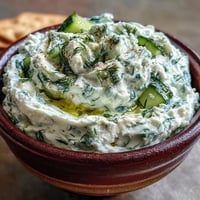
- Serve with tzatziki or a cooling yogurt sauce if you want to balance the richness.
 Pin it
 Gibanica is the kind of dish that reminds you why simple ingredients, treated with care, become something memorable. Make it once, and you'll understand why it's stayed on Balkan tables for generations.
Recipe FAQs
- → What type of cheese is used in this dish?
The filling combines cottage cheese and crumbled feta for a creamy, tangy flavor.
- → How is the phyllo dough prepared before baking?
Phyllo sheets are layered in the baking dish, each brushed lightly with sunflower oil to ensure crispness.
- → Can I make this dish gluten-free?
Yes, by substituting regular phyllo dough with gluten-free phyllo sheets, this layered pie can be adapted.
- → Is the egg yolk glaze necessary?
The egg yolk glaze is optional but helps achieve a shiny golden finish on top.
- → How should leftovers be stored?
Store any leftovers in the refrigerator and reheat gently before serving.