 Pin it
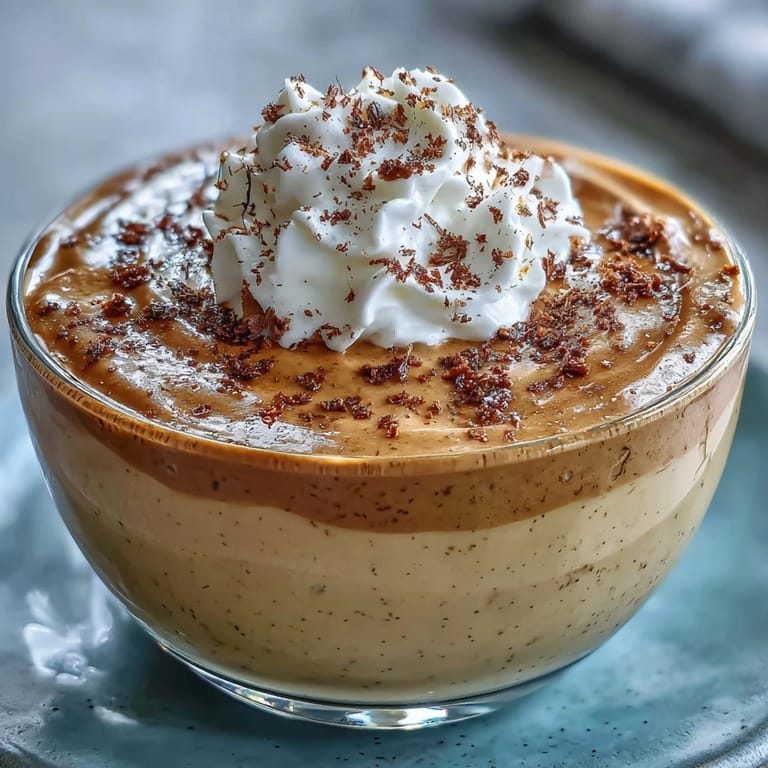
 Hojicha Pudding is a silky, custard-style dessert that captures the unique essence of Japanese roasted green tea. This elegant treat offers a delicate balance of earthy, smoky notes and rich creaminess, making it a refined and simple choice for anyone seeking a sophisticated finish to their meal.
Pin it The beauty of this dessert lies in its simplicity. By steeping high-quality hojicha leaves directly into a blend of milk and cream, you extract a deep, nutty flavor that complements the sweetness of the custard base perfectly. It is a wonderful way to enjoy the complexity of Japanese tea in a chilled, spoonable form.
Ingredients
Tired of Takeout? 🥡
Get 10 meals you can make faster than delivery arrives. Seriously.
One email. No spam. Unsubscribe anytime.
- Custard Base
- 2 cups whole milk
- 1/2 cup heavy cream
- 2 tablespoons hojicha loose leaf tea (or 2 hojicha tea bags)
- 1/4 cup granulated sugar
- 2 large eggs
- 1 teaspoon vanilla extract
- Garnish (optional)
- Whipped cream
- Roasted tea leaves or cocoa powder
Instructions
- Step 1
- In a saucepan, combine milk and heavy cream. Heat over medium heat until just below simmering (do not boil).
- Step 2
- Remove from heat. Add hojicha tea leaves (or tea bags) and steep for 5–7 minutes. Strain the mixture to remove leaves or bags.
- Step 3
- In a mixing bowl, whisk together sugar and eggs until pale and smooth.
- Step 4
- Gradually pour the warm hojicha-infused milk into the egg mixture, whisking constantly to prevent curdling.
- Step 5
- Stir in vanilla extract.
- Step 6
- Pour the mixture through a fine sieve into a clean saucepan to ensure smoothness.
- Step 7
- Cook over low heat, stirring continuously with a spatula, until the custard thickens enough to coat the back of the spoon (about 5–7 minutes). Do not let it boil.
- Step 8
- Remove from heat and pour into serving glasses or ramekins.
- Step 9
- Allow to cool to room temperature, then chill in the refrigerator for at least 2 hours until set.
- Step 10
- Serve topped with whipped cream and a sprinkle of roasted tea leaves or cocoa powder, if desired.
Zusatztipps für die Zubereitung
To achieve the smoothest possible results, ensure you use a fine mesh strainer when transferring the mixture back to the saucepan. It is also vital to keep the heat low during the thickening stage; if the mixture boils, the eggs may curdle, losing the desired silky consistency.
Varianten und Anpassungen
If you prefer using hojicha powder instead of loose leaves, use 2 teaspoons and whisk it directly into the milk mixture. For a vegan version, substitute the dairy with coconut milk and a plant-based cream, and replace the eggs with 2 tablespoons of cornstarch as a thickening agent.
Serviervorschläge
This pudding is best served chilled. For a beautiful presentation and added flavor, garnish with fresh berries or a light drizzle of honey. A simple dusting of cocoa powder or a few extra roasted tea leaves on top of whipped cream adds a professional touch.
 Pin it
 Whether you are hosting a dinner party or looking for a quiet afternoon treat, this Hojicha Pudding offers a sophisticated taste of Japan that is as easy to make as it is delightful to eat. Enjoy the calming, toasty flavors in every spoonful.
Recipe FAQs
- → What does hojicha taste like?
Hojicha has a distinctive nutty, roasted flavor with earthy undertones and lower caffeine than other green teas. The roasting process gives it a warm, toasty character that's less grassy than standard green tea.
- → Can I make this ahead?
Absolutely. This custard actually improves after chilling for several hours or overnight. The flavors deepen and the texture becomes even silkier. Store covered in the refrigerator for up to 3 days.
- → Why strain the mixture twice?
The first straining removes the tea leaves after steeping. The second straining through a fine sieve before cooking removes any bits of cooked egg, ensuring an incredibly smooth, professional-quality texture.
- → How do I know when the custard is thick enough?
The custard is ready when it coats the back of a wooden spoon and you can run your finger through it leaving a clean line. This usually takes 5–7 minutes over low heat. Don't rush this step.
- → What garnishes work well?
Whipped cream adds lovely contrast, while a dusting of cocoa powder complements the roasted notes. Fresh berries, a drizzle of honey, or crushed tea leaves also make elegant toppings.
- → Can I use hojicha powder instead of leaves?
Yes. Use 2 teaspoons of hojicha powder and whisk it directly into the warm milk mixture. No straining needed after steeping—the powder dissolves completely and creates an even more intense flavor.