 Pin it
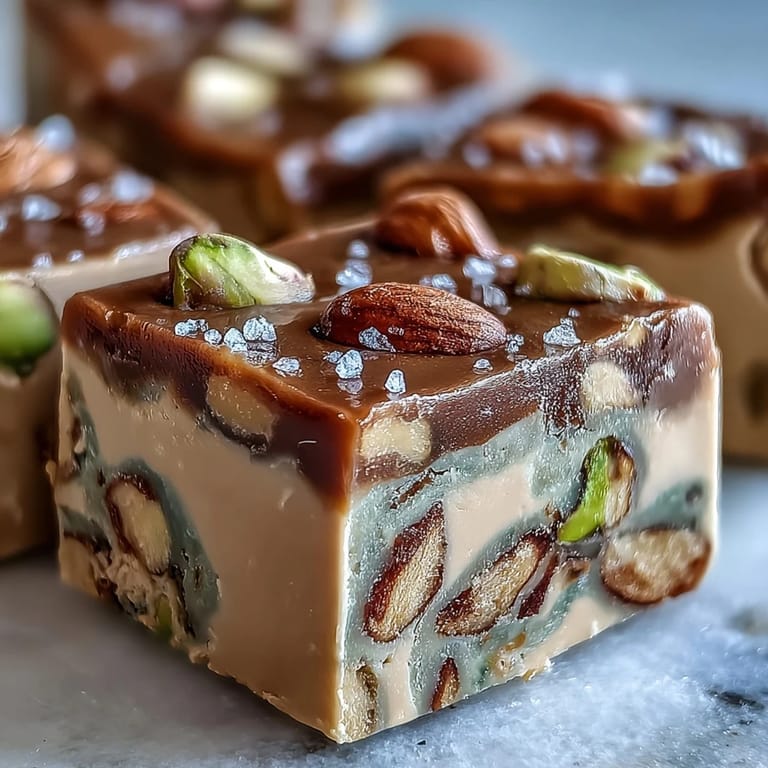
 The first time I made hojicha nougat, I was standing in my kitchen at dawn, mesmerized by how the roasted tea powder turned a simple candy into something that tasted like autumn in edible form. My neighbor had given me a tin of premium hojicha the week before, and I kept opening it just to smell that deep, toasty aroma. What started as curiosity became an obsession to turn that flavor into something I could give back to people I cared about. The result was chewy, nutty, and surprisingly elegant—nothing like the stiff, one-note nougats I'd known before.
I'll never forget watching my partner's face light up when they bit into a piece and realized what I'd made—that moment when someone tastes something they've never experienced before and just gets quiet for a second. I'd wrapped them in little parchment squares and tied them with twine, and they ended up sharing them with their coworkers, which felt like my kitchen had somehow reached beyond our home.
Ingredients
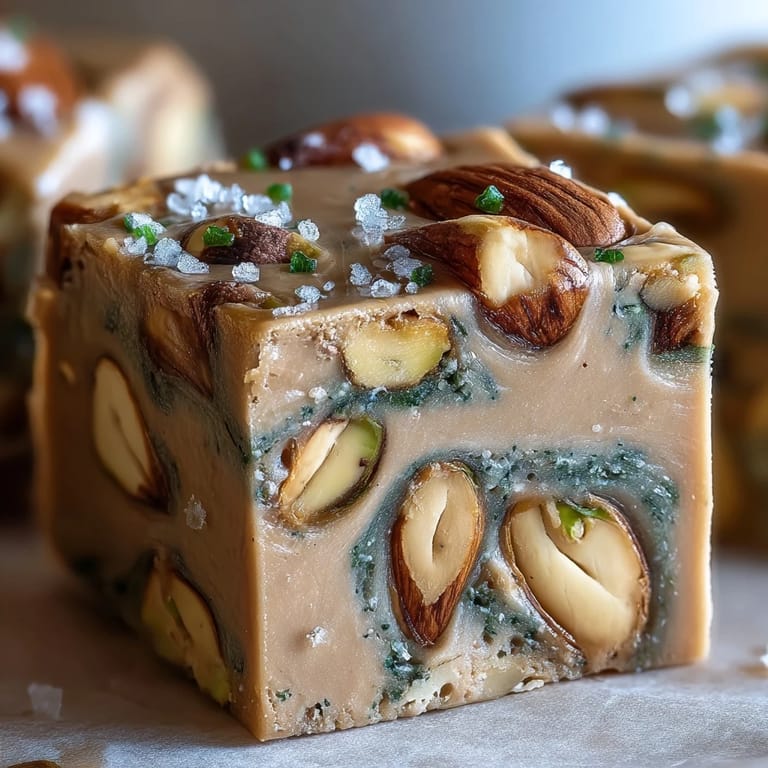
- Roasted almonds (100 g): These give you texture and a subtle bitterness that plays beautifully against the sweet syrup and earthy tea.
- Roasted pistachios (50 g): The pistachio flavor echoes the toasted notes of hojicha, creating a natural harmony on your palate.
- Honey (120 g): Use real honey—the subtle floral notes keep the nougat from tasting one-dimensional and add complexity.
- Granulated sugar (200 g): This is your structure; it needs to reach exactly 140°C to give you that signature chewy texture.
- Water (80 ml): Just enough to dissolve the sugar without making the syrup too dilute.
- Fine sea salt (1/2 tsp): A pinch that makes every other flavor sing louder.
- Egg whites (2 large, room temperature): Room temperature eggs whip up faster and hold more air, which gives you that light, cloud-like texture.
- Cream of tartar (1/4 tsp): This stabilizes the egg whites so they don't deflate while you're pouring hot syrup into them.
- Hojicha powder (2 tbsp): This is where the magic lives—use good quality powder so you taste that roasted complexity, not bitterness.
- Vanilla extract (1 tsp): A grounding note that lets the hojicha flavor shine without overwhelming.
- Unsalted butter (30 g): Softened butter melts into the mixture and adds richness and that silky mouthfeel.
Tired of Takeout? 🥡
Get 10 meals you can make faster than delivery arrives. Seriously.
One email. No spam. Unsubscribe anytime.
Instructions
- Set up your space:
- Line a 20x20 cm baking pan with parchment paper or wafer paper—this prevents sticking and makes your life easier when you unmold. You want everything ready before you start because the candy work moves fast once that syrup hits temperature.
- Toast the nuts:
- Dry toast your almonds and pistachios in a skillet for just 2–3 minutes until they smell incredible and slightly darken. This step wakes up their flavor and keeps them crisp instead of getting chewy in the nougat.
- Cook the syrup:
- Combine honey, sugar, water, and salt in a saucepan over medium heat, stirring gently until the sugar fully dissolves and the mixture looks clear. Once it's dissolved, stop stirring, bump up the heat, and let it bubble undisturbed until your thermometer reads 140°C (285°F)—this is the hard-crack stage that gives nougat its character.
- Whip the eggs:
- While the syrup cooks, beat your room-temperature egg whites with cream of tartar in a stand mixer until they reach soft peaks—they should look cloud-like and hold their shape loosely. This creates the base that will trap air and give your nougat that light, aerated texture.
- Combine syrup and eggs:
- When the syrup hits 140°C, reduce the mixer to low speed and pour it in slowly, in a thin stream, directly into the beating egg whites. Once it's all in, crank the speed to high and beat for about 5 minutes until the mixture turns glossy, thick, and pale—you'll feel the resistance change as the air incorporates.
- Add flavor:
- Sprinkle in your hojicha powder and vanilla extract, then beat just until you don't see any streaks of powder anymore. Over-beating at this point can make the nougat grainy, so stop as soon as it's combined.
- Fold in butter and nuts:
- Gently fold the softened butter into the warm nougat with a spatula, making sure it's fully incorporated, then carefully fold in your toasted nuts. Handle it tenderly—you want to keep as much air in the mixture as possible.
- Set and cool:
- Spread the nougat quickly into your prepared pan in an even layer, then top with another piece of wafer paper if you're using it. Let it sit at room temperature for at least 30 minutes until it firms up enough to cut cleanly.
- Cut and wrap:
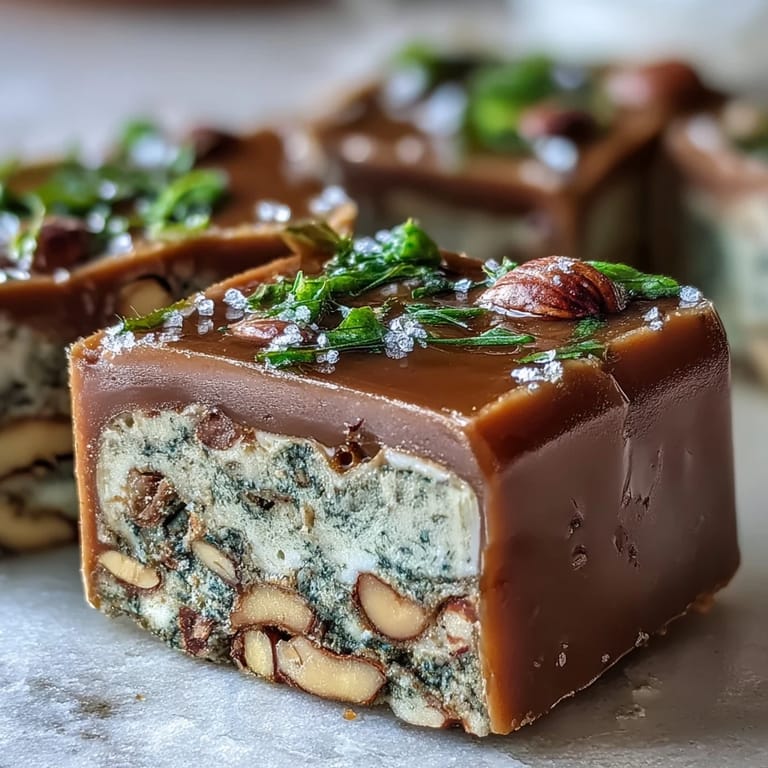
- Once it's set, remove the nougat from the pan and use a sharp knife lightly oiled with neutral oil to cut it into bite-sized pieces—the oil prevents sticking and tearing. Wrap each piece individually in parchment or cellophane so they don't stick together during storage.
 Pin it
 Last winter, I made a double batch and gave it to people on my street, and I loved how it became this little moment of connection—something unusual and handmade that people actually remembered. That's when I realized this candy isn't just about the hojicha or the technique; it's about what happens when you put thought and care into something small.
Why Room Temperature Matters More Than You'd Think
I used to grab eggs straight from the fridge and wondered why my nougat never had that silky texture I was chasing. Then I left eggs on the counter for 20 minutes before making a batch, and suddenly everything changed—they whipped faster, held more air, and the final candy was noticeably lighter and fluffier. Now I plan ahead and set my eggs out before I even start measuring the other ingredients, which means I'm never caught off guard.
The Temperature Game
Reaching exactly 140°C matters because that's the sweet spot where the sugar syrup has cooked down enough to set firm but not so much that it becomes brittle and grainy. I've made batches at 138°C and they stayed a bit too soft; I've overshot to 142°C and gotten that sandy, crystallized texture nobody wants. Invest in a good candy thermometer and clip it to the side of your pan so you're not holding it and risking burns.
Storing Your Nougat (And Keeping It That Way)
These pieces will stay fresh in an airtight container at room temperature for up to a week, though in my experience they never last that long once people know about them. The key is keeping them wrapped individually so humidity doesn't make them sticky, and if you live somewhere really humid, adding a small packet of food-grade silica gel to the container helps tremendously.
- Never refrigerate these—cold makes the nougat hard and crystallized, which ruins the whole chewy experience.
- If pieces do start sticking together, separate them with parchment squares and reseal the container.
- Pair them with hojicha tea for an afternoon that tastes like you planned something special, even if it was just for yourself.
 Pin it
 Making hojicha nougat taught me that candy-making isn't as intimidating as it seems when you follow the steps and trust the process. Every time you unwrap a piece, you're tasting the roasted, earthy complexity of hojicha transformed into something elegant enough to share with someone you want to impress.
Recipe FAQs
- → What makes hojicha nougat different from regular nougat?
Hojicha nougat incorporates roasted green tea powder, adding earthy, caramelized notes that distinguish it from traditional vanilla-flavored varieties. The tea's subtle roasted character pairs beautifully with the honey-sweetened base and toasted nuts.
- → Can I substitute the nuts in this nougat?
Absolutely. While almonds and pistachios provide excellent flavor and texture contrast, you can replace them with cashews, hazelnuts, or walnuts based on your preference. Toast whichever nuts you choose before adding to maximize their flavor.
- → Why is a candy thermometer essential for this confection?
Reaching exactly 140°C (285°F) ensures the sugar-honey syrup achieves the proper consistency for nougat. Too cool and the candy won't set properly; too hot and it becomes hard and brittle. A thermometer takes the guesswork out of achieving the perfect chewy texture.
- → How should I store hojicha nougat?
Keep pieces in an airtight container at room temperature away from moisture and direct sunlight. Individual wrapping in parchment or cellophane helps prevent sticking. Properly stored, the nougat maintains its texture for up to one week.
- → What's the best way to cut nougat cleanly?
A sharp knife lightly coated with neutral oil cuts through cleanly without sticking. For the cleanest edges, allow the nougat to fully set until firm but not rock-hard. Warming the knife slightly under hot water can also help achieve smooth cuts.
- → Can I make this without a stand mixer?
While a stand mixer makes the process easier, you can use a handheld electric mixer. Just be prepared for a longer beating time and ensure your bowl is stable. The key is incorporating enough air to create the signature light, chewy texture.