 Pin it
 There's a particular moment in late autumn when the air smells like toasted grain and wood smoke, and that's exactly when I first encountered hojicha pastry cream at a small Japanese patisserie in a neighborhood I'd wandered into by accident. The baker had filled delicate cream puffs with this silky, amber-hued custard that tasted nothing like the vanilla creams I'd grown up with, and everything about it felt like a gentle awakening. I spent weeks trying to recreate it in my own kitchen, learning that the magic wasn't just in knowing the technique, but in understanding how to coax every whisper of nuttiness from roasted tea leaves. This recipe is the result of those experiments, the small failures, and finally, that perfect afternoon when the cream came together exactly as it should.
I'll never forget piping this cream into two dozen choux pastries for my friend's dinner party, watching her eyes widen when she bit into one and tasted that mellow, sophisticated tea flavor layered with butter and eggs. She kept asking if I'd bought them from a shop, and when I said no, she asked me to make them again for her birthday the following month. That's when I knew this recipe wasn't just something I enjoyed making, it was something that had quietly become part of how I showed people I cared.
Ingredients
- Whole milk, 2 cups (480 ml): The foundation of your custard, and whole milk matters because the fat creates that luxurious mouthfeel that skim simply cannot match.
- Hojicha loose leaf tea or tea bags, 3 tablespoons (about 5 g): This roasted green tea is the soul of the recipe, bringing a toasted, slightly smoky depth that vanilla could never replicate, and loose leaf will always extract more flavor than bags.
- Unsalted butter, 3 tablespoons (40 g): Added at the end, this enriches the cream and gives it a silky finish that feels luxurious on your tongue.
- Large egg yolks, 4: These are what transform your milk and sugar into custard, and they need to be tempered slowly or you'll end up with scrambled eggs, which learned the hard way exactly once.
- Granulated sugar, 1/2 cup (100 g): Whisked with the yolks until pale and ribbony, the sugar helps stabilize and protect the eggs during tempering.
- Cornstarch, 3 tablespoons (25 g): This starch is your insurance policy against lumpy custard, and whisking it together with sugar before adding liquid prevents clumping.
- Vanilla extract, 1/2 teaspoon: A whisper of vanilla rounds out the tea's toasted notes without overpowering the hojicha's delicate character.
- Salt, pinch: This tiny amount awakens all the other flavors and prevents the cream from tasting one-dimensional.
Tired of Takeout? 🥡
Get 10 meals you can make faster than delivery arrives. Seriously.
One email. No spam. Unsubscribe anytime.
Instructions
- Infuse your milk with hojicha:
- Pour the milk into a saucepan and heat it over medium until you see wisps of steam rising and little bubbles forming around the edges, which tells you it's hot enough. Add your hojicha tea leaves, remove from heat, cover the pan, and let it steep undisturbed for ten minutes, letting that toasted tea perfume slowly seep into the warm milk.
- Strain and keep the liquid gold:
- Set a fine mesh sieve over a bowl and pour the milk through, using the back of a spoon to gently press the tea leaves to coax out every last bit of flavor before discarding them. You should have a beautiful amber-colored milk that smells like autumn and toasted grain.
- Temper your egg yolks:
- In a mixing bowl, whisk together the egg yolks, sugar, cornstarch, and salt for about two minutes until the mixture becomes pale, thick, and ribbony, which means the sugar has begun to dissolve and the cornstarch is evenly distributed. Slowly pour the warm hojicha milk into this yolk mixture while whisking constantly, never stopping your whisk or you risk cooking the eggs into chunks.
- Cook the custard to silky perfection:
- Pour everything back into the saucepan and place it over medium heat, whisking constantly without a single pause, until you see actual bubbles breaking the surface and the cream coats the back of a spoon, which takes about two to three minutes. The whisking is what keeps it from becoming grainy, so your arm might get tired but the smooth result is absolutely worth it.
- Finish with butter and extract:
- Remove the pan from heat and whisk in the butter and vanilla extract, stirring until everything is silky and fully incorporated, and the steam rising from the cream will carry hints of both hojicha and vanilla. This is when your pastry cream tastes like something from a professional kitchen.
- Chill and set:
- Transfer your cream to a clean bowl and press a piece of plastic wrap directly onto the surface of the cream, making sure it touches the entire top so no skin forms as it cools. Refrigerate for at least one hour, though I usually let mine sit overnight because the flavors seem to deepen and the texture becomes even silkier.
 Pin it
 There was something almost meditative about standing at the stove, my hand moving in constant circles as the pastry cream thickened, watching it transform from a pourable mixture into something that clung to the back of a wooden spoon in a silky ribbon. In that moment, with the kitchen quiet except for the gentle sound of my whisk and the soft sizzle of steam, I understood why people became obsessed with French pastry techniques, and why this particular filling had captured my imagination.
When Hojicha Meets Tradition
Crème pâtissière is already one of the most elegant foundations in a baker's repertoire, but swapping vanilla for hojicha elevates it into something that feels both timeless and contemporary. The roasted tea brings a sophistication that makes pastries taste less like indulgence and more like a moment worth savoring, and people genuinely cannot pinpoint what makes it taste so special until you tell them it's tea. There's something deeply satisfying about that moment of surprise and realization.
Texture Secrets That Make a Difference
The cornstarch is what separates a glossy, thick cream from one that's grainy or broken, and I learned this only after making the mistake of skipping it once because I thought experience meant I didn't need it. The constant whisking during cooking isn't just tradition, it's the mechanism that prevents the eggs from scrambling and keeps your custard silky smooth, and every second of stirring directly affects your final result. Temperature control matters more than you'd think, too, because a boil that's too vigorous will make your cream less stable and more prone to breaking.
Ways to Use This Cream
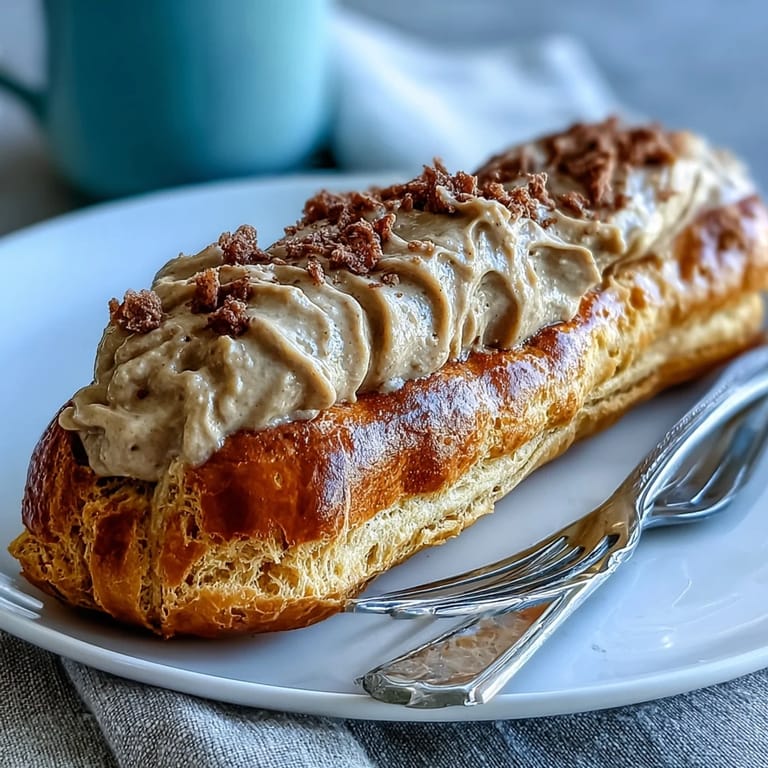
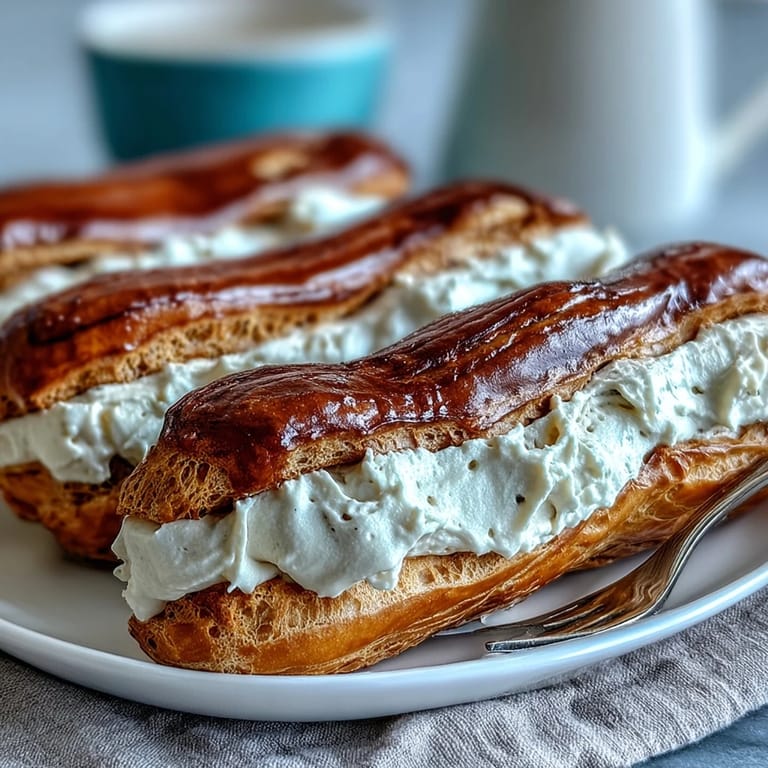
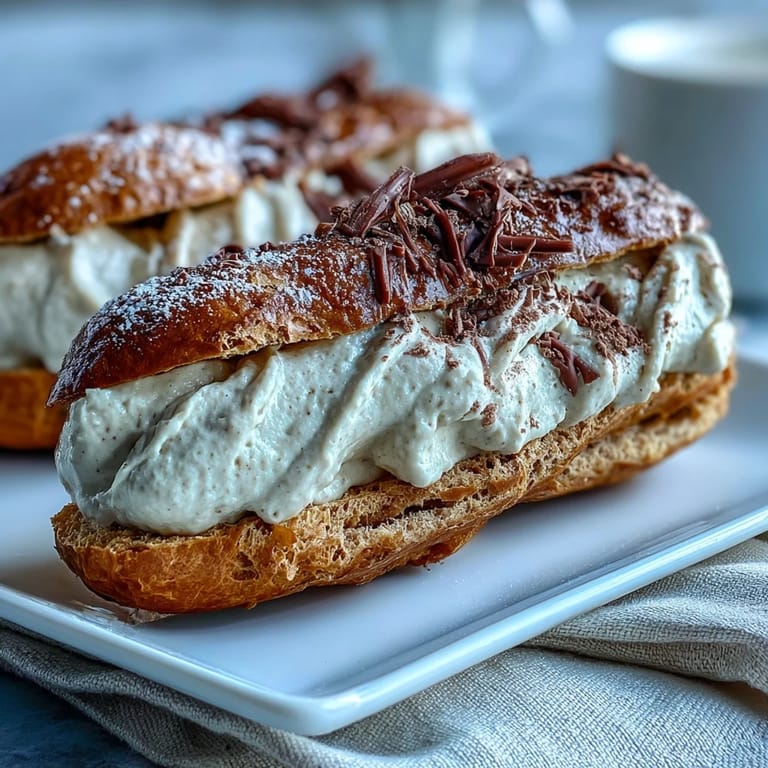
Beyond the obvious cream puffs and éclairs, this pastry cream becomes something magical when layered into a simple vanilla cake with fresh raspberries, or piped into French macarons, or folded into whipped cream for a hojicha mousse. I've experimented with pairing it under a matcha choux bun crust, which created this unexpected harmony of roasted and grassy tea flavors that shouldn't have worked but absolutely did. Once you have this recipe mastered, you'll find yourself creating reasons to make it again.
- For a lighter texture that feels less heavy, fold in whipped cream just before using, which adds airiness without diluting the hojicha flavor.
- If loose leaf tea isn't available, hojicha powder works beautifully whisked directly into the milk, using about two teaspoons instead of the three tablespoons of leaves.
- Make this a day or two ahead of time because the flavors actually mellow and deepen as it sits in the refrigerator, making your final pastries taste even more refined.
 Pin it
 Every time I make this pastry cream, I'm transported back to that small patisserie in autumn, to the moment I realized that the most memorable flavors often come from unexpected combinations. This recipe has become my way of capturing that feeling in a bowl.
Recipe FAQs
- → What makes hojicha pastry cream unique?
The roasted hojicha tea infuses the custard with distinctive toasted, nutty notes and subtle smokiness that sets it apart from traditional vanilla pastry cream. The Japanese tea creates a mellow, sophisticated flavor profile perfect for elegant desserts.
- → Can I use hojicha powder instead of loose leaves?
Absolutely. Substitute 2 teaspoons of hojicha powder for the loose leaf tea and whisk it directly into the warm milk. This method skips the straining step and creates an equally flavorful infusion with a slightly deeper color.
- → How long does the pastry cream keep?
Store the cream in an airtight container with plastic wrap pressed directly onto the surface for up to 3 days in the refrigerator. The direct wrap prevents a skin from forming. Whisk briefly before using to restore smoothness.
- → Why must I temper the eggs with warm milk?
Tempering prevents the eggs from scrambling when combined with hot liquid. Gradually adding warm hojicha milk while whisking constantly raises the egg temperature gently, ensuring a silky, smooth custard rather than a curdled mixture.
- → Can I make this pastry cream lighter?
Yes, fold whipped heavy cream into the chilled pastry cream before using. This creates a lighter, airier texture called diplomat cream, perfect for more delicate applications while maintaining the lovely hojicha flavor.
- → What desserts work best with hojicha cream?
This custard shines in cream puffs, éclairs, and profiteroles. It also layers beautifully in cakes, fills tart shells elegantly, or pairs wonderfully with matcha-flavored pastries for a Japanese-inspired dessert presentation.