 Pin it
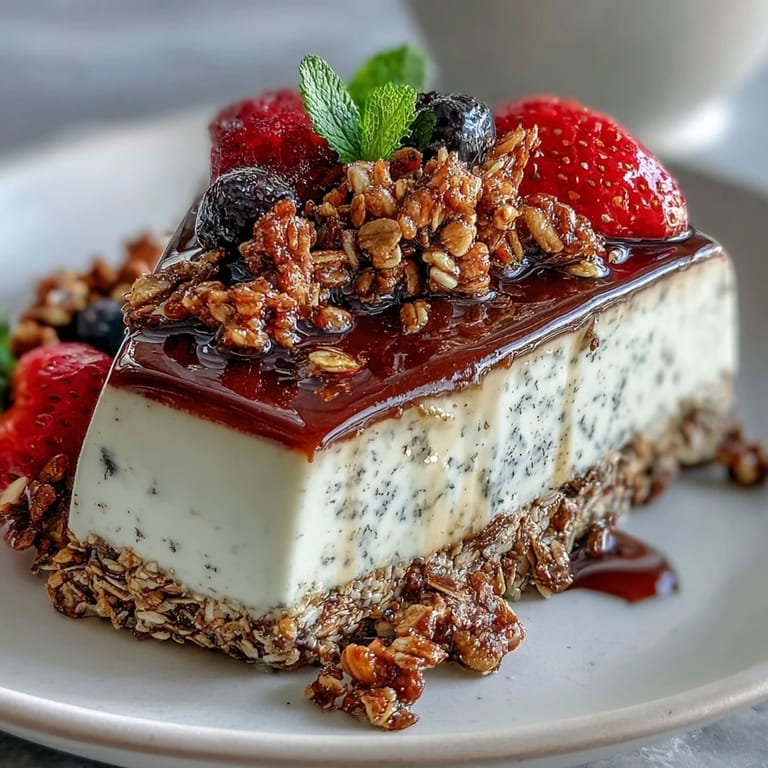
 There's something about hojicha that stops you mid-sip—that toasted, almost nutty warmth that feels both sophisticated and comforting at once. I discovered this dessert on a quiet afternoon when I was trying to figure out how to use up some beautiful hojicha tea leaves a friend had brought back from Japan, and suddenly the idea of turning that flavor into something creamy and layered felt inevitable. The first time I assembled one of these parfaits, my kitchen smelled like a roasted tea ceremony, and when I spooned through the layers—the silky panna cotta giving way to bright berries and then that satisfying granola crunch—I understood why some flavors deserve more than just a cup.
I made this for my partner one evening when we were both exhausted, and they actually paused mid-conversation to appreciate it—which, trust me, is the highest compliment in our house. Watching their face when the toasted tea flavor hit was worth every minute of waiting for it to set, and I realized then that sometimes the most memorable meals are the quiet ones, the ones that make someone stop and just taste something really good.
Ingredients
- Heavy cream: This is where the magic starts—it needs to be real cream, cold and ready to carry that hojicha flavor without becoming too heavy or dense.
- Whole milk: The cream needs a partner that lightens it just enough so the panna cotta stays silky rather than turning into something too rich.
- Hojicha tea leaves: Loose leaves work best here because you're steeping them directly into the warm cream, letting them release that roasted, toasted character that makes this dessert unmistakably Japanese.
- Granulated sugar: Keep it simple—this just sweetens the base without any competing flavors.
- Powdered gelatin: Don't skip the blooming step; it ensures your panna cotta sets with a smooth, custard-like texture rather than becoming rubbery.
- Vanilla extract: A subtle background note that enhances the hojicha without overpowering it, adding a whisper of vanilla warmth.
- Mixed fresh berries: Choose whatever looks bright and perfect at the market—strawberries, blueberries, raspberries all work, and their tartness balances the creamy sweetness beautifully.
- Granola: Either store-bought or homemade, this is your textural contrast, the element that makes each spoonful interesting.
Tired of Takeout? 🥡
Get 10 meals you can make faster than delivery arrives. Seriously.
One email. No spam. Unsubscribe anytime.
Instructions
- Bloom your gelatin:
- Sprinkle the powdered gelatin over cold water in a small bowl and let it sit for 5 minutes—this step allows the gelatin to absorb the water evenly, so it dissolves smoothly into your warm cream later without creating lumps. It's a small move that makes an enormous difference in texture.
- Warm the cream and milk:
- In a saucepan, combine your cream and milk over medium heat, watching it carefully until it's just steaming around the edges but not boiling. You want it hot enough to extract the hojicha flavor, but not so hot that it scalds.
- Steep the hojicha:
- Add the hojicha leaves directly to the hot cream mixture, cover the pan, and let it sit for 10 minutes—the kitchen will fill with this incredible roasted tea aroma that tells you it's working. After 10 minutes, strain through a fine mesh sieve, pressing gently on the leaves to coax out every drop of that toasted flavor before discarding them.
- Dissolve the sugar and incorporate gelatin:
- Return the strained cream to the saucepan and add sugar, stirring gently over medium heat until the sugar dissolves completely, then remove from heat. Stir in your bloomed gelatin until it disappears into the mixture, then add the vanilla extract and let it cool for about 5 minutes.
- Pour and chill:
- Divide the mixture evenly among 4 serving glasses, filling each about halfway, then slide them into the refrigerator for at least 4 hours—overnight is even better. This is when patience becomes your ingredient, transforming a liquid into something silky and set.
- Prepare the berries:
- While the panna cotta chills, toss your berries with a tablespoon of sugar if you like and let them macerate for 10 minutes, which coaxes out their juices and creates a little berry syrup at the bottom of the bowl. This step is optional but worth doing.
- Layer and serve:
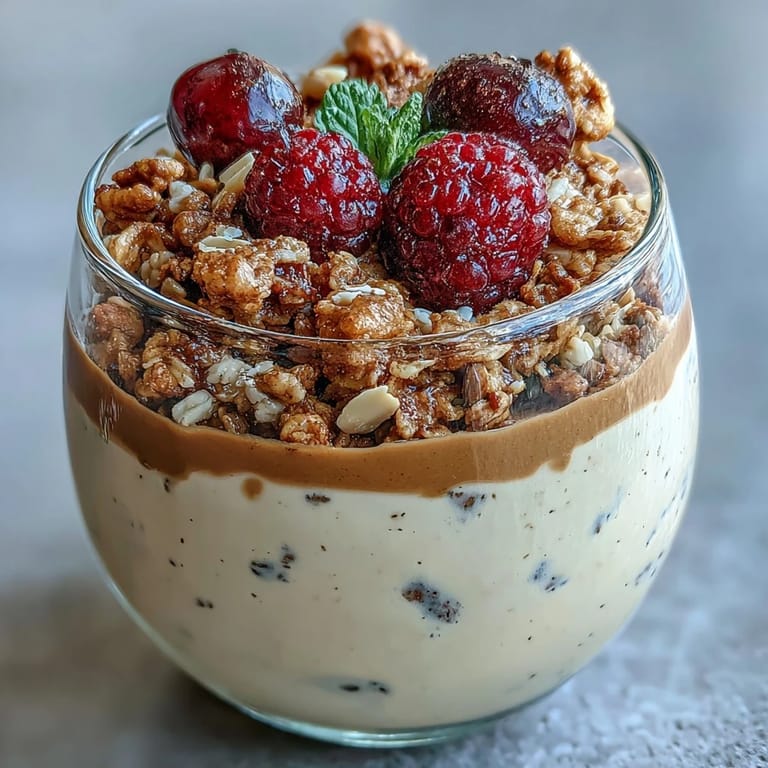
- Once the panna cotta is completely set, spoon a layer of granola over each glass, then top generously with your berries and any accumulated juices. Serve immediately so the granola stays crisp and everything is cold.
 Pin it
 There was a moment last month when a friend took a spoonful and closed their eyes, and I understood that dessert isn't really about sweetness—it's about that pause where someone stops and actually experiences something. That's what this parfait does; it makes people slow down.
Why Hojicha Matters Here
Hojicha is roasted green tea, which means it has this deeper, almost smoky warmth that regular green tea doesn't have, and when you steep it into cream, that roasted character becomes something almost caramel-like in the background. It's sophisticated without being intimidating, familiar without being boring, and it creates a flavor that people recognize even if they can't quite name it. If you can't find hojicha, matcha works in a pinch, though the flavor will be brighter and more vegetal—neither is wrong, just different personalities for the same dessert.
The Art of Layering
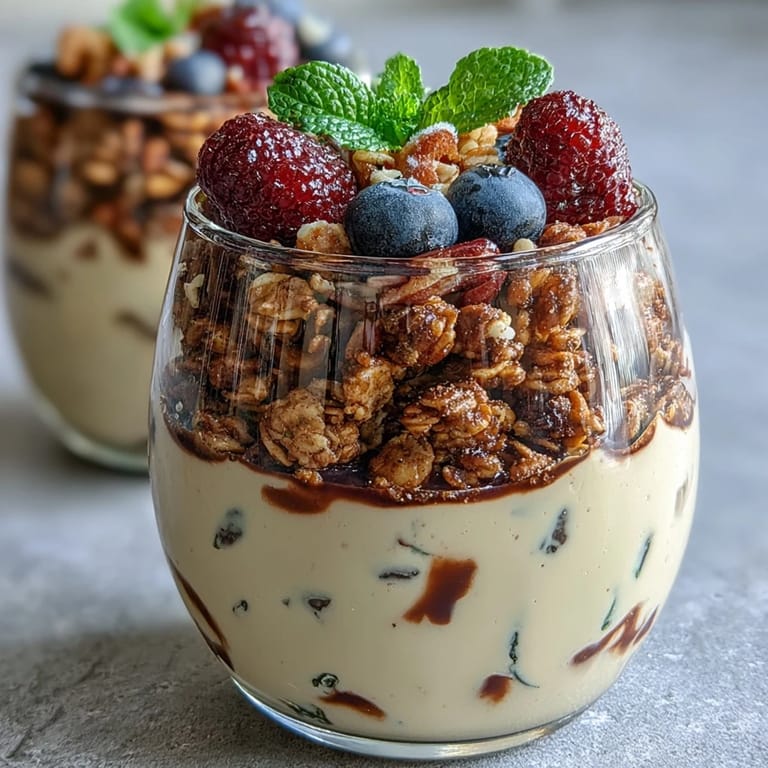
This dessert thrives on contrast—the silky cream against the bright crunch of granola, the tartness of berries against the subtle sweetness of the hojicha base. When you're assembling it, think about making sure you can see each layer through the glass, which is both beautiful and practical because it means every spoonful will hit all three textures at once. Some people layer it twice for height, and that works beautifully too, though you'll want to eat it quickly if you do.
Variations and Flexibility
Once you understand the technique, this dessert becomes a playground for your own preferences and what's available to you at any given moment. The beauty of a parfait is that the structure stays the same even when you swap ingredients, so you're never locked into one version. Here are some directions you can take it:
- For a vegan version, swap the heavy cream and milk for coconut cream and milk, and use agar-agar instead of gelatin, following the package instructions for setting time.
- Try matcha instead of hojicha for a brighter, more grassy tea flavor, or even add a touch of matcha to the granola for extra depth.
- Use whatever berries are in season or whatever looks good at the market—the technique doesn't care, only the flavors do.
 Pin it
 This dessert has become my answer to the question of what to make when I want to impress without stress, when I want something that tastes like it required more effort than it actually did. It's the kind of dish that reminds you why cooking is worth doing.
Recipe FAQs
- → What does hojicha taste like?
Hojicha is roasted Japanese green tea with earthy, nutty, and slightly sweet notes. It's less astringent than regular green tea, with a warm toasty flavor that pairs beautifully with cream.
- → Can I prepare this ahead of time?
The panna cotta layer can be made up to 2 days in advance and refrigerated. Add the berries and granola just before serving to maintain the crisp texture.
- → How do I make this vegan?
Replace the heavy cream and milk with full-fat coconut cream and use agar-agar powder instead of gelatin. The coconut flavor complements the roasted hojicha notes nicely.
- → Can I use other tea varieties?
Matcha works beautifully for a vibrant green version. Earl Grey, chai, or jasmine tea also create delicious variations on this layered dessert concept.
- → Why did my panna cotta not set properly?
This usually means the gelatin wasn't fully bloomed or dissolved, or the mixture was boiled which can break down the gelatin's structure. Ensure proper blooming time and gentle heating.
- → What glass size works best?
Use 6-8 ounce dessert glasses or parfait glasses. The taller vessels showcase the beautiful layers while allowing room for generous toppings.