 Pin it
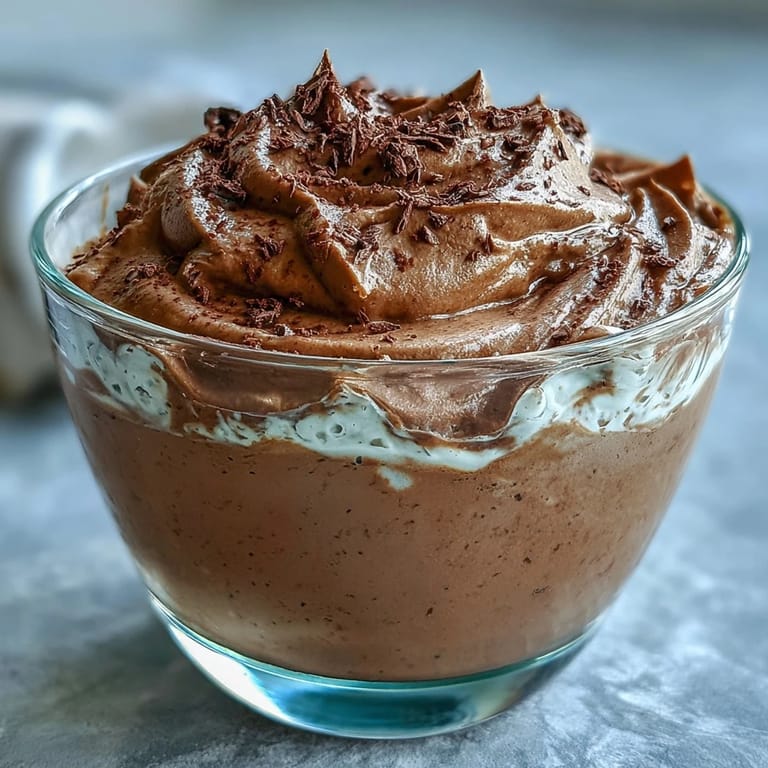
 My neighbor brought back hojicha from Tokyo, and I stood in her kitchen watching her steep it while she described the roasted chestnut notes I was missing out on. That afternoon, I decided to transform it into something lighter than the heavy cream desserts I usually made, and this mousse emerged almost by accident—airy, delicate, with a depth that made people pause mid-spoonful to ask what they were tasting. It became my answer to late summer dinners when richness felt wrong.
I made this for a dinner party on a humid evening when everyone arrived exhausted, and somehow this cool, whipped mousse became the moment everyone relaxed—they lingered over dessert longer than the main course, which almost never happens. One guest asked if I'd trained in pastry school, and I loved not having to explain that sometimes the best discoveries come from just having one ingredient and asking yourself what's possible.
Ingredients
- Hojicha tea leaves (2 tablespoons): The soul of this mousse—look for finely ground leaves from a Japanese specialty shop, as they dissolve more smoothly and release their toasted, nutty character without grittiness.
- Whole milk (200 ml): Choose full-fat if you can find it; the richness carries the hojicha's subtle flavors better than skim, and steeping creates an infusion that feels almost like a liquid dessert.
- Eggs, separated (3 large): Room temperature eggs whip faster and trap more air, which is your secret to that weightless texture.
- Granulated sugar (60 g total): Split between yolks and whites for balance—the yolks create body while the whipped whites become clouds.
- Vanilla extract (1 teaspoon): A whisper of vanilla doesn't compete with hojicha; it softens the edges and adds warmth.
- Cornstarch (1 tablespoon): This keeps the custard silky and prevents weeping, a lesson I learned after a batch separated in the fridge.
- Powdered gelatin (2 teaspoons): The invisible hand that holds everything together without making it rubbery—don't skip blooming it in cold water first.
- Cold water (2 tablespoons): Just enough to bloom the gelatin evenly.
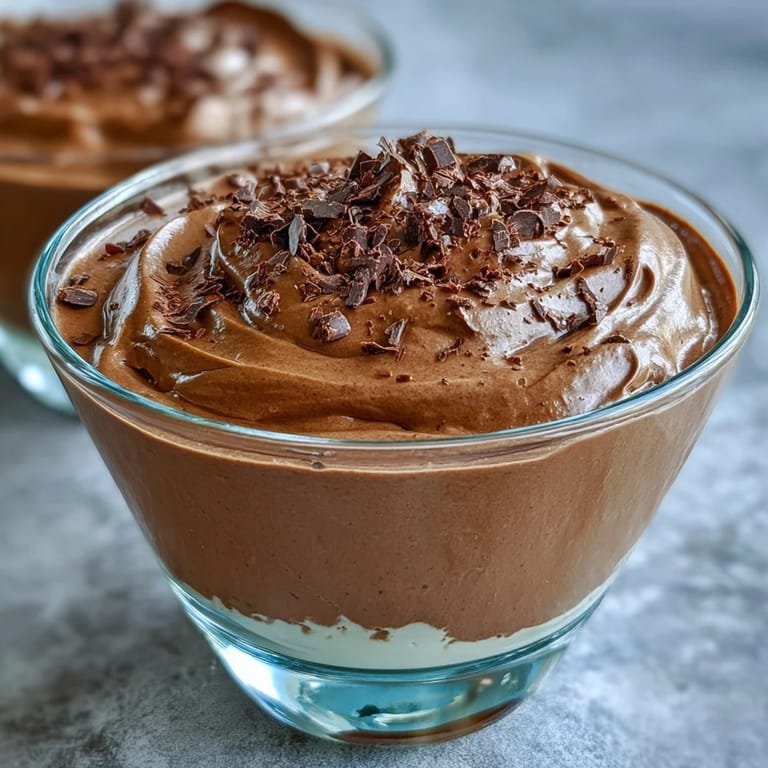
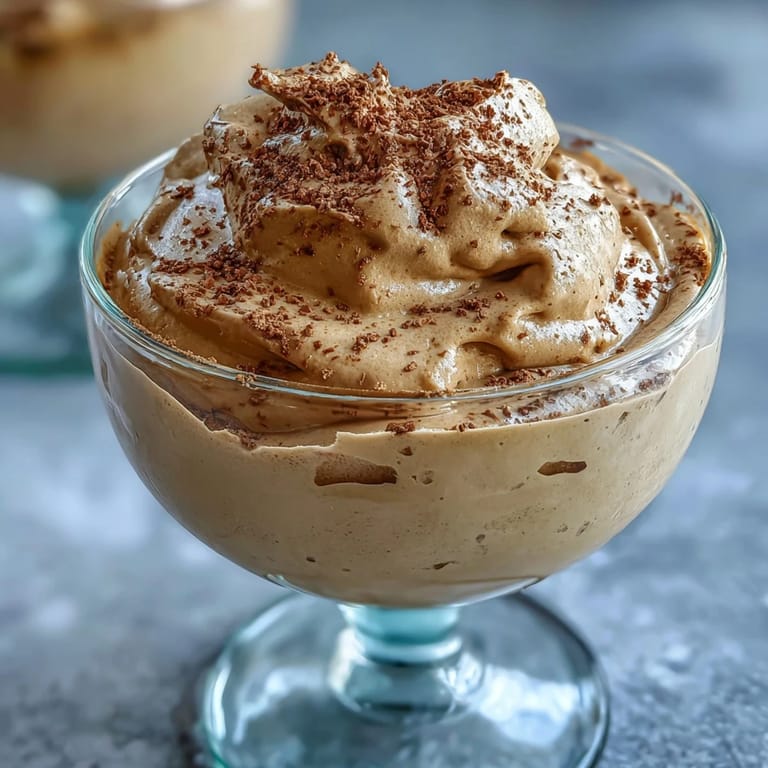
- Toasted hojicha leaves or cocoa nibs (optional garnish): A finishing touch that echoes the flavor and gives your glass something beautiful to look at.
Tired of Takeout? 🥡
Get 10 meals you can make faster than delivery arrives. Seriously.
One email. No spam. Unsubscribe anytime.
Instructions
- Steep the hojicha into warm milk:
- Heat milk gently until small wisps rise from the surface, then scatter in your hojicha leaves, cover, and let them unfurl for 10 minutes—the longer steep draws out those roasted chestnut notes without bitterness. Strain it through fine mesh and let it cool just enough that it won't scramble your eggs.
- Bloom the gelatin:
- Sprinkle gelatin over cold water in a small bowl and wait 5 minutes; it will absorb the water and become spongy, ready to dissolve seamlessly into your warm mixture.
- Build the custard base:
- Whisk yolks with half the sugar and cornstarch until the mixture pales and thickens slightly, then slowly pour in the warm hojicha milk while whisking constantly so nothing scrambles. This gentle approach creates a smooth foundation.
- Cook the mixture gently:
- Set your bowl over simmering water and whisk for 3 to 5 minutes until the mixture coats the back of a spoon—you're thickening it just enough to support the mousse structure. Remove from heat before it looks fully done; it will continue to set as it cools.
- Dissolve the gelatin:
- Stir your bloomed gelatin into the hot custard until it vanishes completely, then mix in vanilla and set the bowl aside to cool, stirring every minute or so to speed things along and prevent a skin from forming.
- Whip the egg whites:
- In a clean, dry bowl, beat whites until soft peaks form—they should look like waves—then gradually add the remaining sugar while beating until stiff, glossy peaks stand tall. This is where your mousse gets its air and lightness.
- Fold everything together:
- Once the hojicha custard has cooled to room temperature, gently fold in the egg whites in three additions, rotating your spatula slowly and lifting from the bottom each time so you preserve all those precious air bubbles. Overmixing here is the enemy of texture.
- Set the mousse:
- Spoon into serving glasses or ramekins and refrigerate for at least 2 hours until the mousse firms up enough to hold its shape but remains impossibly airy. Overnight is even better, if you have patience.
- Finish with garnish:
- Just before serving, dust with toasted hojicha leaves or scatter cocoa nibs on top for visual interest and a nod to the flavor below.
 Pin it
 There's something about watching someone's expression change when they taste hojicha for the first time in this form—not as a bitter tea, but as something layered and almost nutty and gentle. That moment reminds me why I cook.
Why Dairy-Free Matters Here
The moment someone mentioned they were vegan, I realized this mousse was already halfway there—I'd never loaded it with cream like traditional French mousses. Swapping whole milk for oat milk or almond milk works beautifully because the hojicha does the heavy lifting flavor-wise; the milk is just a vehicle, not a star. Oat milk especially mimics the slight richness of dairy without betraying the delicate flavor.
The Fine Sieve Is Not Optional
I learned this the hard way when my first batch felt gritty on the tongue, and I realized I'd rushed the straining. Hojicha leaves are fine, almost powdery, and they slip through a regular strainer into your mousse unless you're deliberate about it. A fine mesh strainer—the kind meant for flour—changes everything, creating a silky texture that makes you forget there's tea in there at all.
Serving Suggestions and Pairings
I've served this with fresh raspberries tumbling over the top, which cut through the richness with bright tartness, or alongside a small glass of sake that tastes almost floral next to the roasted notes. It also pairs unexpectedly well with green tea itself, creating a moment where the dessert and beverage conversation rather than compete.
- Pair with lightly floral sake or a crisp Japanese green tea for a cohesive dessert course that feels intentional.
- Top with fresh berries—raspberries and blackberries especially—for brightness that cuts the roasted depth.
- Serve chilled straight from the fridge; this mousse is best within 24 hours of setting, as the gelatin can eventually weep if left too long.
 Pin it
 This mousse taught me that refinement doesn't require cream or complicated technique—just respect for an ingredient and the patience to let it sing. Make it once and it becomes part of your repertoire forever.
Recipe FAQs
- → What does hojicha taste like?
Hojicha has a distinctive roasted, nutty flavor with earthy notes and subtle sweetness. Unlike other green teas, it's roasted over charcoal which gives it a warm, toasty character with lower caffeine content and less astringency.
- → Can I make this mousse dairy-free?
Yes, simply substitute whole milk with oat milk or almond milk. Plant-based milks work well here and complement the roasted tea flavors beautifully while maintaining the mousse's delicate texture.
- → Why is there no heavy cream in this mousse?
This lighter approach uses whipped egg whites instead of heavy cream, creating an airy texture that doesn't weigh down the delicate hojicha flavors. The result is a refined dessert that feels substantial yet not overly rich.
- → How long does the mousse need to set?
The mousse requires at least 2 hours of chilling time to properly set. For best results, prepare it a few hours ahead or even the night before serving. This allows the flavors to develop fully and the texture to become perfectly smooth.
- → What can I use as a garnish?
Toasted hojicha tea leaves add a beautiful visual element and intensify the roasted flavor. Cocoa nibs provide a nice crunch and slight bitterness that balances the sweetness. Fresh berries or a dusting of matcha powder also work wonderfully.
- → Is this dessert suitable for special diets?
This mousse is naturally vegetarian and gluten-free. With a simple plant-based milk substitution, it becomes completely dairy-free while maintaining its elegant texture and refined flavor profile.